Understanding the Importance of Screen-Free Play
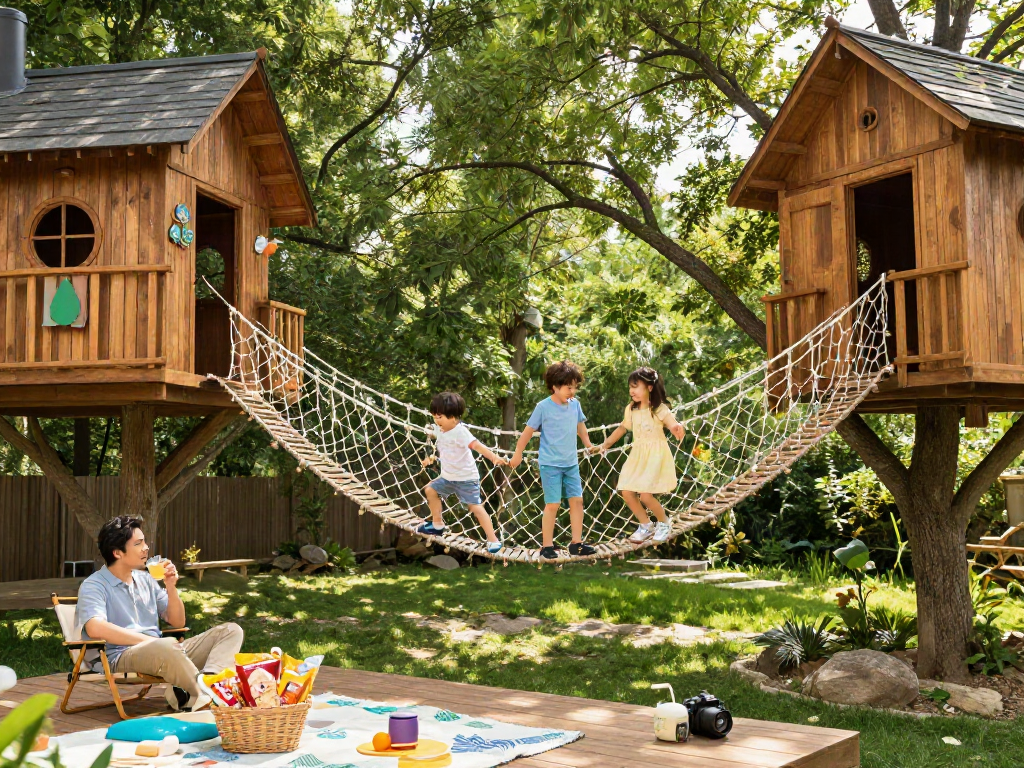
In our increasingly digital world, fostering opportunities for screen-free play has become essential in child development. Engaging children in activities that don’t involve screens can help promote creativity, improve social skills, and support cognitive growth. As parents, caregivers, and educators, actively encouraging screen-free play can create enriching environments for children. To explore more ideas on this topic, visit the website to discover toys and inspiration that promote healthy, engaging play.
Benefits of Screen-Free Toys
Screen-free toys provide children with opportunities for creative expression, imaginative play, and social interaction—something that active screens fail to do. Engaging with physical toys stimulates a variety of senses and promotes foundational skills. Here are some key benefits:
- Enhanced Imagination: Toys that encourage building, crafting, or role play facilitate fascinating storytelling and imaginative scenarios.
- Improved Social Skills: When children play together, they develop essential skills around sharing, empathy, and teamwork that are crucial for forming friendships.
- Boosted Attention Span: Screen-free play allows children to immerse themselves deeply in activities, fostering patience and focus.
- Development of Fine Motor Skills: Activities like building, drawing, or crafting improve dexterity and coordination.
How Play Affects Child Development
Play is a fundamental part of childhood development, forming a core component of how children learn about the world. Through play, children gain valuable life skills:
- Cognitive Development: Problem-solving and critical-thinking skills are honed through interactive play that requires decision-making and strategizing.
- Emotional Growth: Play allows children to express their feelings and practice emotional regulation in a safe environment.
- Physical Development: Screen-free toys often encourage physical activity, which is important for overall health and strength.
Creating a Screen-Free Environment
To maximize the benefits of screen-free play, it’s essential to cultivate an environment that encourages this type of interaction. This can involve:
- Designated Play Areas: Set up a specific space within your home that is dedicated to play, filled with various toys and materials.
- Minimal Distractions: Reducing the presence of screens, including television, tablets, and smartphones, can promote focused playtime.
- Structured Playtime: Schedule regular intervals of playtime in your routine to make screen-free play a priority.
Top Picks for Screen-Free Toys
When selecting toys for screen-free play, it’s important to choose items that encourage creativity and engagement. Here’s a closer look at some top categories:
Best Building and Construction Toys
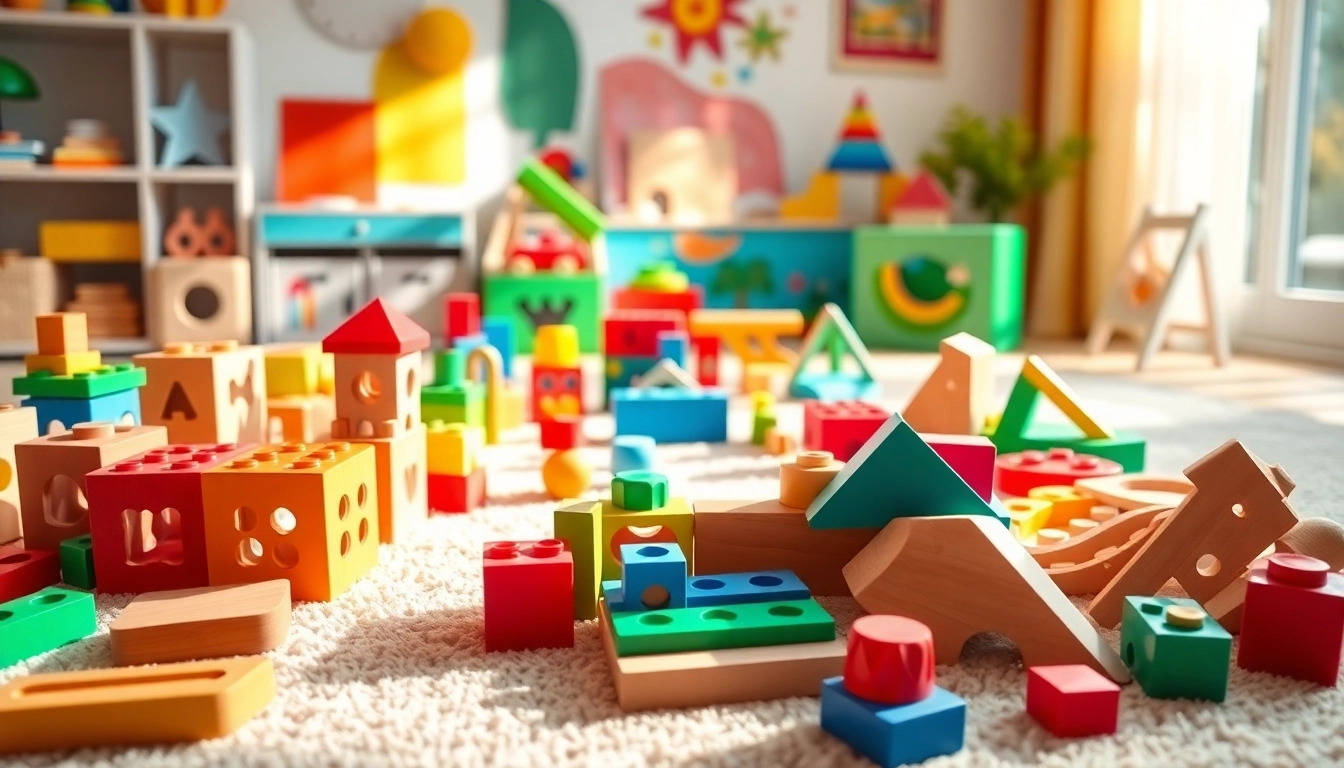
Building toys are an excellent choice for stimulating creativity and critical thinking. Options such as wooden blocks, LEGO sets, or magnetic tiles allow children to engage in constructing unique structures:
- Wooden Blocks: Classic building blocks come in various shapes and sizes, encouraging open-ended play and fostering spatial awareness.
- LEGO Sets: Versatile and popular, LEGO sets cater to various skill levels, challenging children to build intricate designs and learn mechanics.
- Magnetic Tiles: These colorful tiles allow children to create two-dimensional or three-dimensional shapes while exploring geometry.
Art and Craft Supplies
Art and craft activities are vital for developing fine motor skills and self-expression. Stock your play area with supplies like:
- Drawing Materials: Crayons, colored pencils, and markers can help unleash creativity through drawing and coloring.
- Craft Kits: These pre-packaged kits often include materials for creating specific projects, promoting project-based skills while boosting confidence.
- Play-Dough: Manipulating play-dough inspires imaginative play and is perfect for sensory exploration.
Engaging STEM Toys
STEM (Science, Technology, Engineering, and Math) toys provide children with hands-on learning experiences. Many encourage exploration and experimentation:
- Science Kits: Kids can delve into the world of science with kits that allow them to conduct experiments and learn about various scientific principles.
- Robotics Sets: Age-appropriate robotics kits often involve building and programming, which enhances problem-solving skills.
- Math Games: Board games or card games that emphasize math concepts can make learning fun and interactive.
Creative Play Ideas for Kids
Screen-free play can extend far beyond simply using toys. Here are some creative ideas to engage children:
DIY Projects Utilizing Screen-Free Toys
Empower kids to engage in DIY projects that foster creativity and encourage resourcefulness. Ideas include:
- Creating a sculpture from building blocks or recycled materials.
- Designing a custom board game using existing toys and art supplies.
- Collaboratively crafting a storybook with illustrations made from drawings and physical objects.
Create an Interactive Play Space
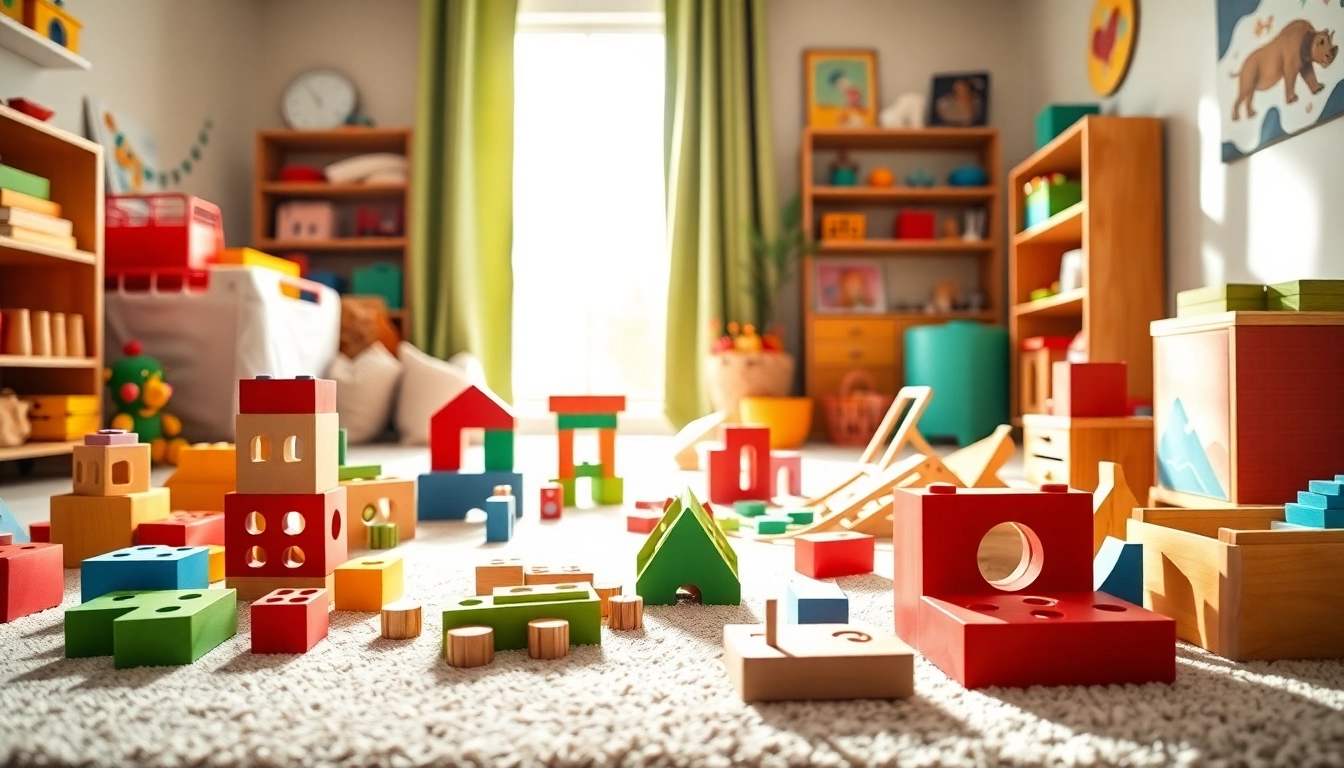
Transform a corner of your home into a dedicated play zone where children can freely explore their imagination:
- Utilize furniture to create playhouses or fort structures.
- Incorporate different play areas, such as an art corner or a building zone.
- Provide a variety of sensory materials, like sand or water play, for diverse experiences.
Role-Playing Scenarios Using Toys
Role play can be a powerful teaching tool as it allows children to act out different scenarios. Incorporate role-playing with toys by:
- Setting up a pretend kitchen with play food and dishes to encourage imaginative cooking.
- Creating a mini marketplace where children can buy and sell using toy money.
- Using dolls or action figures to enact storylines or conflicts, helping them learn empathy and perspective.
Implementing a Screen-Free Challenge
To encourage consistent participation in screen-free play, consider starting a themed challenge within your family or community. Here’s how to do it:
Setting Goals for Screen-Free Activities
Establish clear objectives for your challenge, including:
- Daily playtime targets, encouraging a minimum number of screen-free hours.
- Specific toy themes for each week, such as building toys one week followed by art projects the next.
- Incentives for successfully achieving goals, like a reward for the most creative play setup.
Involving the Whole Family
To maximize fun, create family engagement in the challenge. Here are some ideas:
- Have dedicated family play nights where everyone participates in the activities.
- Encourage family members to brainstorm and suggest new screen-free toys and activities together.
- Create a shared progress chart that celebrates accomplishments throughout the challenge.
Tracking Progress and Staying Motivated
To keep the family engaged, consider tracking progress through:
- Playtime logs where each child can track their favorite activities and hours spent playing.
- Visual reminders or a calendar that highlights daily goals and achievements.
- Daily or weekly check-ins to share ideas and experiences, reinforcing the value of sustained engagement.
Frequently Asked Questions
What are the benefits of screen-free play?
Screen-free play enhances creativity, social skills, and cognitive development while reducing screen time's negative effects.
How do I choose the right screen-free toy?
Consider the child's age, interests, and developmental goals. Look for toys that encourage open-ended play and creativity.
Can screen-free toys be educational?
Yes! Many screen-free toys promote learning through play by teaching skills in math, science, and critical thinking.
How can I encourage screen-free play at home?
Create a dedicated play area with an assortment of toys, set up a schedule for playtime, and engage in activities together.
Are there age-appropriate screen-free toys?
Absolutely! Choose toys designed for specific age ranges, ensuring they match your child's developmental stage and skills.