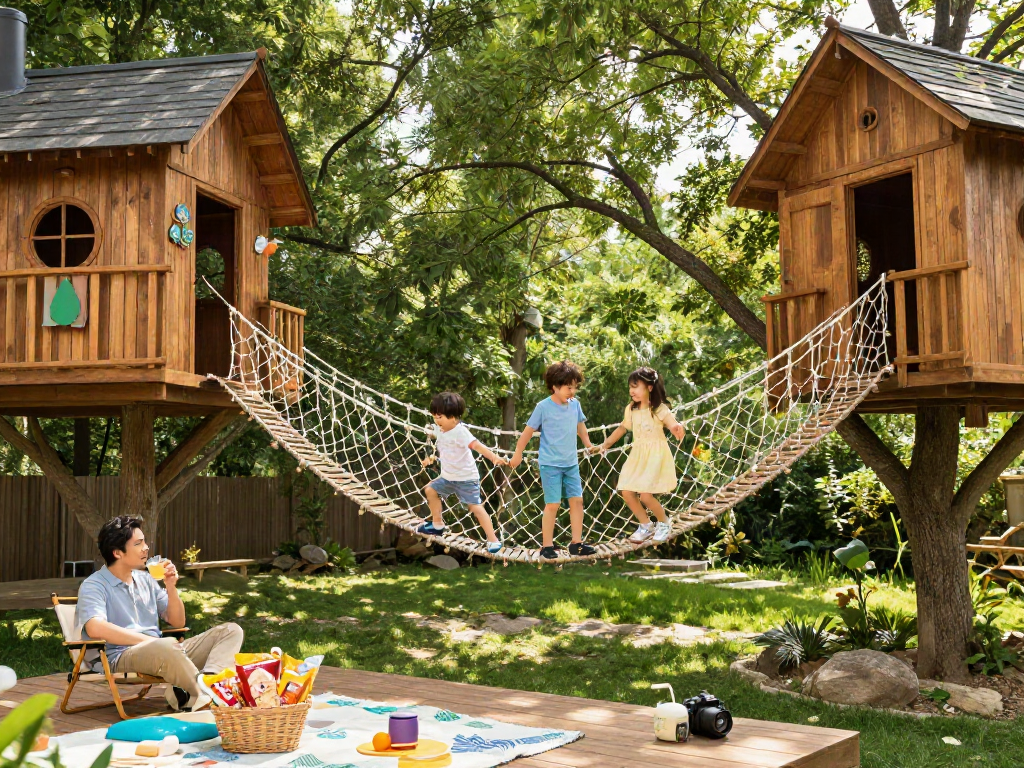
Introduction to Rope Bridges
Rope bridges are not just engineering feats; they encapsulate adventure, playfulness, and the spirit of exploration. These structures, made predominantly from sturdy rope and wooden planks, offer a thrilling method to traverse between points, especially in outdoor settings such as treehouses, play parks, or even over small bodies of water. The concept of a Rope Bridge taps into the primal instincts of climbing and navigating, appealing particularly to children who are seeking a sense of adventure right in their backyards.
What is a Rope Bridge?
A rope bridge is a type of bridge that uses ropes as the primary support structure, allowing for limited movement and flexibility. These bridges can vary significantly in design, from simple crossings above a stream to complex configurations that provide a thrilling pathway between treehouses. The basic components of a rope bridge typically include a series of ropes that are anchored to solid structures at either end, with planks or nets serving as the surface on which one can walk.
History and Evolution of Rope Bridges
The history of rope bridges dates back thousands of years, with evidence suggesting that they were used by early cultures for practical means of crossing difficult terrains. Indigenous peoples in South America, particularly the Inca, constructed elaborate rope bridges made from natural fibres that remained in use for centuries. With advancements in materials and design, modern rope bridges have evolved into safe and exciting features in playgrounds and recreational areas, often constructed using synthetic materials that enhance durability and safety.
Importance of Rope Bridges in Outdoor Play
Rope bridges contribute significantly to outdoor play, promoting physical activity, coordination, and risk assessment skills among children. They encourage imaginative play by serving as creative platforms for storytelling and adventures, sparking curiosity and exploration in young minds. Furthermore, the thrill of crossing a rope bridge boosts confidence and allows children to challenge themselves in a safe environment.
Choosing the Right Rope Bridge
When selecting a rope bridge for your outdoor space, several factors must be taken into consideration to ensure safety, durability, and enjoyment. Understanding your specific needs and the environment will aid in making the best choice.
Factors to Consider When Selecting a Rope Bridge
- Location: Assess the area where the bridge will be installed, including the proximity to trees or other structures.
- Age Group: Consider the age range of children who will use the bridge, ensuring it is appropriate for their skills and sizes.
- Space Requirements: Measure the space available, including the length and width needed for a safe crossing.
Comparing Materials and Durability
Rope bridges can be made from various materials, including natural fibres, synthetic ropes, and metal components. Synthetic ropes, such as polypropylene or nylon, are resistant to weather and decay, ensuring that your bridge will withstand the elements over time. When choosing materials, prioritise those that offer both strength and longevity.
Safety Features to Look For
Safety is paramount when it comes to rope bridges. Look for bridges that incorporate safety features such as:
- Non-slip surfaces for better grip.
- Rounded edges to minimise injury risk.
- Robust anchor points that can withstand significant weight and movement.
Installation and Setup
Installing a rope bridge can be a rewarding DIY project if done correctly. Preparation and following a systematic approach will ensure a safe and stable structure.
Preparing Your Backyard for a Rope Bridge
Before installation, conduct a thorough assessment of your backyard. Clear the area of obstacles and ensure that the anchor points are secure, whether they are trees or specially designed posts. It’s also essential to consider the height and distance of the bridge to ensure it meets safety requirements.
Step-by-Step Guide to Installation
- Gather Materials: Ensure you have all necessary materials including ropes, planks, bolts, and supports.
- Construct the Frame: Build the supporting framework using sturdy posts, anchoring them securely.
- Attach Ropes: Connect the ropes to create the bridge structure, ensuring they are tightly secured at both ends.
- Add Walking Surface: Place wooden planks or netting along the ropes for the walking surface.
- Test the Structure: Inspect the bridge carefully and conduct load tests to ensure stability.
Maintaining Your Rope Bridge for Longevity
Regular maintenance is crucial to prolong the life of your rope bridge. Inspect the ropes and supports periodically for signs of wear or damage, and clean any debris or mud that could cause slipping. Resealing wooden components annually can also help protect against rot and the elements.
Creative Ideas for Using Rope Bridges
Rope bridges can serve various imaginative purposes beyond simple crossings. Here are some innovative ideas for incorporating them into your play space.
Incorporating Adventure Themes in Your Play Space
Create themed areas that encourage storytelling through the use of rope bridges. For instance, you could design a pirate-themed area where the bridge represents a ship's crossing over treacherous waters, enhancing the overall play experience.
Combining Rope Bridges with Other Play Structures
Integrate rope bridges with other structures like slides, climbing walls, or treehouses to create a multi-faceted adventure course. This mix enhances physical engagement and keeps children entertained for hours.
Enhancing the Experience with Accessories
Consider adding accessories like nets, swings, or climbing ropes that attach to the bridge, creating additional pathways and play options. These additions can stimulate creativity and physical activity simultaneously.
Future Trends in Outdoor Play
The landscape of outdoor play is continually evolving, influenced by changing societal values, technology, and environmental concerns.
Innovations in Rope Bridge Design and Materials
In the future, expect to see advancements in materials that offer enhanced safety and durability, such as smart fabrics with embedded sensors that can detect weight or stress. Such innovations could lead to safer playground environments and more interactive experiences for children.
Exploring Eco-Friendly Options for Sustainable Playgrounds
With the growing emphasis on sustainability, manufacturers are likely to develop eco-friendly rope bridges made from recycled materials that do not compromise safety or functionality. These options will resonate with environmentally conscious families looking to reduce their ecological footprint.
Predictions for Backyard Trends in 2026 and Beyond
By 2026, the integration of technology in outdoor play is expected to increase. Augmented reality (AR) could enhance the experience on rope bridges, making every crossing an adventure that offers various challenges and rewards, ultimately fostering both play and learning.
What is the best type of rope for a rope bridge?
The best type of rope for a rope bridge typically includes polyester or nylon, known for their strength, durability, and resistance to moisture.
How can I ensure safety on a rope bridge?
To ensure safety on a rope bridge, regularly inspect the structure for wear, ensure all connections and anchor points are secure, and supervise children during play to prevent accidents.
Can adults use a rope bridge designed for kids?
While rope bridges designed for kids can generally support adult weight, it is essential to check the manufacturer's specifications and safety ratings to ensure it can handle the intended load.
What maintenance does a rope bridge require?
Maintenance for a rope bridge includes regular inspections, cleaning debris, tightening loose components, and resealing wooden parts as necessary.
Are rope bridges suitable for all weather conditions?
While many rope bridges are weather-resistant, prolonged exposure to extreme weather conditions can reduce their lifespan. It's essential to consider potential protective solutions for severe climates.