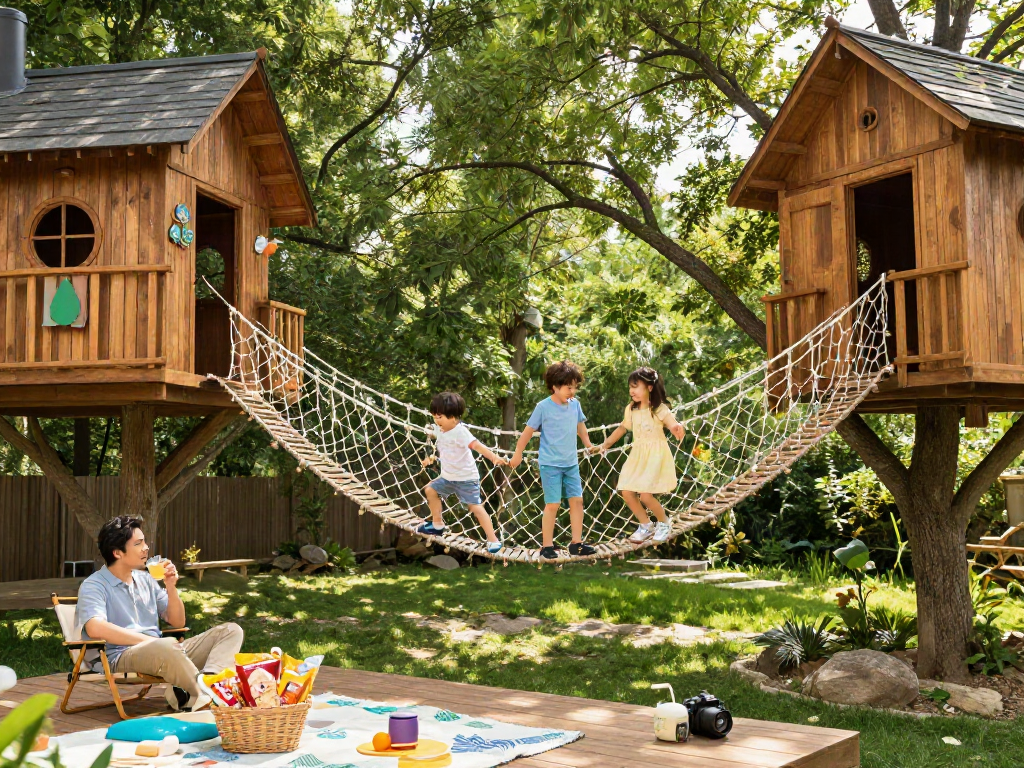
Understanding the Basics of Rope Bridges
Rope bridges have a long-standing history as practical structures used to traverse gaps, be they in rugged terrain or between trees in adventure playgrounds. These bridges, often characterised by their simplicity and flexibility, offer both a functional and an exhilarating experience. Whether for recreational use or more serious applications in outdoor adventures, understanding the fundamentals of a Rope Bridge is essential for both builders and users alike. This article delves into the intricacies of rope bridges, from their construction to their impact on outdoor activities.
What is a Rope Bridge?
A rope bridge is a type of suspension bridge that uses ropes and cables as its primary support structure. Typically built using a pair of handrails made of strong rope, these bridges rely on tension to bear weight and provide stability. Rope bridges are often found in remote locations, allowing travellers to navigate across rivers, chasms, or canyons where traditional bridging materials may not be feasible or environmentally friendly.
Types of Rope Bridges and Their Uses
There are several types of rope bridges, each designed for specific environments and needs:
- Sway Bridge: This type is often used in adventure parks. It consists of a series of ropes anchored at both ends and sways with movement, offering a thrilling experience.
- Suspension Bridge: A more elaborate structure, the suspension rope bridge is anchored with cables to ensure greater stability and is suitable for carrying heavier loads.
- Vine Bridge: Traditionally used in certain cultures, vine bridges are made from natural materials and are often featured in eco-tourism.
Rope bridges provide unique experiences in outdoor activities, including hiking, climbing, and team-building exercises.
Designing Your Rope Bridge: Best Practices
Designing a rope bridge involves numerous considerations, from safety to materials. Choosing the right location is paramount, as it not only affects the bridge's structural integrity but also enhances the overall experience for users.
How to Choose the Right Location for Your Rope Bridge
When selecting a location for your rope bridge, look for flat ground on either side of the gap to ensure stable anchorage. The distance between anchor points should be manageable and ideally less than 30 feet for safety reasons. Considering the surrounding environment is also crucial, especially regarding wildlife and vegetation that may affect both the build and the use of the bridge.
Planning Safety Measures and Guidelines
Safety during construction and use is paramount. Use high-quality materials and ensure regular maintenance checks are in place. Additionally, consider installing safety nets or harness systems if the bridge is over significant heights. Proper signage and guidelines for use can further mitigate risks and enhance user confidence.
Essential Tools and Equipment for Construction
The following tools are essential for building a sturdy rope bridge:
- Rope Cutters: For precise cutting of rope materials.
- Carabiners: To secure connections and allow for easy adjustments.
- Safety Harnesses: For the safety of the construction team.
- Measuring Tape: To ensure accurate measurements for spacing and length.
Common Challenges in Building a Rope Bridge
Like any construction project, building a rope bridge comes with its unique set of challenges. Understanding these issues can help in developing effective solutions.
Addressing Structural Weaknesses and Hazards
Structural weaknesses can often arise from subpar materials or poor construction techniques. Regular inspections and the use of high-strength ropes are essential to maintain the integrity of the bridge. Moreover, addressing hazards such as loose debris or overhanging branches can significantly reduce risks for users.
Dealing with Weather and Environmental Factors
Weather can heavily influence both the construction and longevity of a rope bridge. High winds, rain, or snow can affect the stability and safety of the bridge. Therefore, planning for seasonal weather changes and using weather-resistant materials is vital.
How to Overcome Technical Difficulties During Construction
Technical difficulties may arise during the construction phase, from miscalculating measurements to improperly securing anchor points. Collaborating with experienced builders can help mitigate these risks, alongside engaging in thorough planning and trial runs before finalising the bridge.
Engaging the Community with Your Rope Bridge
A rope bridge can serve as an excellent community focal point, fostering interaction and creating opportunities for outdoor activities.
Creating Outdoor Activities and Events
Organising events around your rope bridge can engage the local community. Consider hosting adventure races, guided nature walks, or team-building exercises centred on the bridge's unique features. These initiatives can promote outdoor activity and community spirit.
Building Relationships with Local Adventure Groups
Partnering with local adventure groups can bring expertise and resources to enhance the bridge's offerings. Collaborative activities such as workshops on safety training and rope climbing can increase the bridge's functionality and attractiveness to users.
Promoting Safety and Environmental Awareness
Incorporating safety training and environmental education into community events will not only help in keeping participants safe but also promote environmental stewardship. Highlighting the ecosystems around the bridge and best practices for conservation can enhance community morale and responsibility.
Future Trends for Rope Bridges in Outdoor Adventures
As outdoor adventures evolve, so too do the design and use of rope bridges. Keeping abreast of these trends can assist those involved in treehouse building and outdoor recreation.
The Impact of Technology on Rope Bridge Design
Advancements in engineering and materials science are impacting how rope bridges are built and maintained. The use of computer-aided design (CAD) software allows for precise planning and structural simulations to enhance safety and aesthetics.
Innovative Materials and Sustainability Practices
Innovative materials such as bio-based ropes and recycled components are set to change the rope bridge landscape. Using sustainable practices not only helps the environment but also appeals to eco-conscious users.
Predicting the Evolution of Rope Bridges by 2026
By 2026, we can expect to see rope bridges integrated into more urban environments. With growing interest in sustainable urban planning, these structures may provide not only a fun way to navigate landscapes but also a solution to eco-friendly transport corridors.
What safety measures should I consider for a rope bridge?
Consider implementing weight restrictions, regular maintenance checks, and providing safety harnesses for users. Clear guidelines should also be established to enhance overall safety.
How can I ensure my rope bridge is durable?
Using high-quality materials, regular inspections, and maintenance practices will ensure the bridge withstands weather and usage over time.
What activities can we do around a rope bridge?
Besides simply traversing the bridge, activities can include nature walks, guided climbs, adventure races, and community-building exercises.
Are there professional services for building rope bridges?
Yes, many companies specialise in designing and constructing rope bridges. Engaging professionals can ensure safety standards and durability in your design.
How do weather conditions affect rope bridge construction?
Adverse weather can delay construction and affect the materials used. Builders should plan construction schedules around seasonal weather conditions.