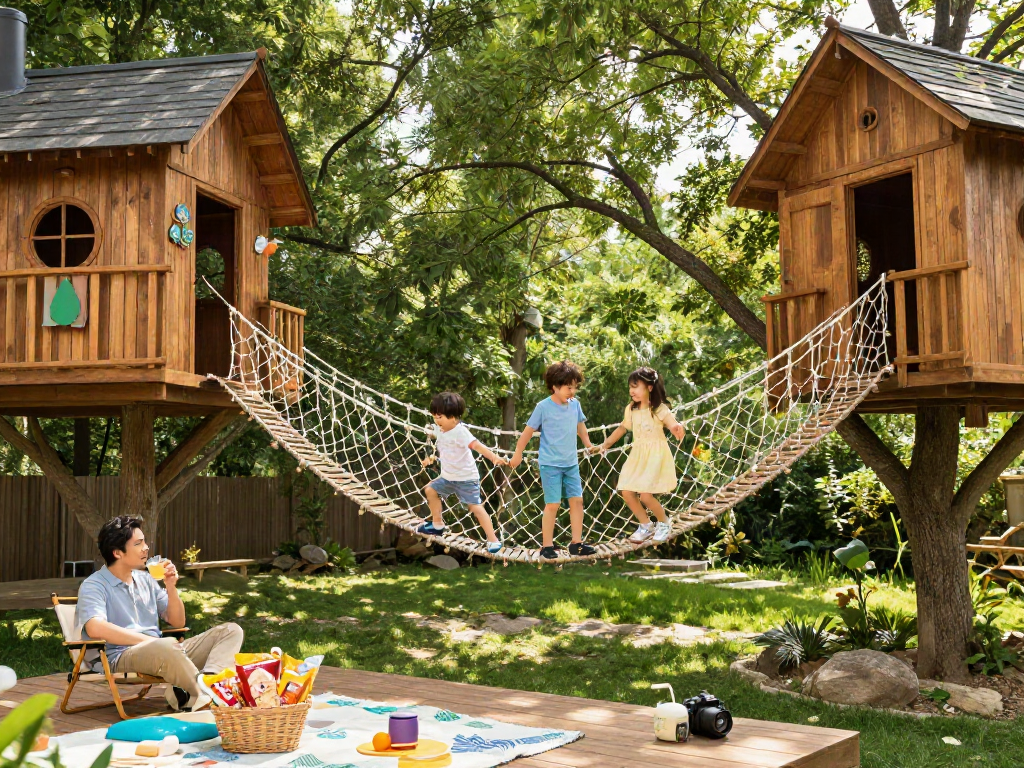
Understanding the Importance of Screen-Free Play
In a world increasingly dominated by screens, encouraging screen-free play for children has never been more crucial. Engaging with toys that stimulate creativity, problem-solving, and collaboration is vital for their holistic development. Numerous resources highlight the benefits of screen-free play, where children can explore their imagination and enhance their skills. For more insights into toys that promote these attributes, you can visit the website.
Benefits for Child Development
Screen-free play supports various aspects of child development, from cognitive to social skills. During these unstructured playtimes, children learn to navigate challenges, negotiate with peers, and exercise their creativity. Notably, research shows that children involved in screen-free activities exhibit better attention spans, problem-solving abilities, and resilience. Additionally, play has been linked to the development of fine motor skills crucial for tasks like writing and drawing.
How Screen-Free Toys Enhance Creativity
Screen-free toys allow children to explore innovative thinking and imaginative scenarios. Building blocks, art supplies, and craft kits offer endless opportunities for artistic expression and imaginative play. Unlike digital gadgets that often provide predetermined outcomes, screen-free toys encourage kids to think outside the box, invent their own games, and create unique stories, thereby enhancing their creative thinking.
Recognizing Healthy Play Patterns
Understanding healthy play patterns is essential for parents and caregivers. This includes recognizing the balance between physical activity, imaginative play, and social engagement. Healthy play often features exploration and self-discovery, allowing children to initiate their play experiences. It’s essential to observe and facilitate these dynamics, helping children develop their preferences and social skills while maintaining a screen-free environment.
Top Picks for Engaging Fine Motor Skills
Developing fine motor skills is vital for a child's development, impacting various activities from writing to self-care. Here’s a look at some of the best toys and activities that foster these skills.
Best Toys for Building Coordination
Many toys are specifically designed to promote hand-eye coordination and dexterity. Building sets with Lego or magnetic tiles allow children to connect pieces while improving their spatial awareness. Additionally, puzzles that require fitting shapes together enhance cognitive skills alongside fine motor precision. These activities make the process of learning fun while laying a foundation for future academic success.
Innovative Craft Kits to Spark Imagination
Craft kits are an excellent way to engage children in creative tasks that also boost their fine motor skills. Options that include sewing, painting, or model-building stimulate both artistic expression and hand control. By following multi-step instructions and working with various materials, children learn patience, focus, and the satisfaction of completing a project, enhancing their sense of accomplishment.
Hands-On Activities That Kids Love
Beyond traditional toys, hands-on activities like baking or gardening can profoundly impact fine motor skill enhancement. Baking involves measuring, pouring, and mixing, which can be incredibly enriching for developing coordination. Similarly, gardening allows kids to dig, plant, and care for seedlings, linking physical activity to education about nature and responsibility.
Creating an Effective Play Environment
A well-thought-out play environment plays a pivotal role in encouraging engaging and screen-free activities. Here are some essential components for an effective play space.
Organizing a Kids' Play Space
Consider functional organization when setting up a play area. Use open shelves for easy access to toys and materials, allowing children to explore independently. Incorporate different zones for various activities, such as reading, crafting, and active play. An inviting and accessible play environment encourages children to engage in diverse activities, fostering creativity and effective learning.
Safety Considerations for Screen-Free Toys
Safety in playtime should never be an afterthought. When selecting screen-free toys, ensure they meet safety standards, are age-appropriate, and are free from choking hazards. Regularly inspecting the play space for any sharp edges or small parts will protect little ones during their adventures. Additionally, teach children about the proper use and care of their toys, promoting responsibility while ensuring their safety.
Choosing Age-Appropriate Toys
Understanding developmental milestones can aid in selecting suitable toys for children. Toys should match the child's abilities and interests to keep them engaged and challenged. Always look for labels indicating suitable age ranges, and consider their preferences and developmental needs. Facilitating the right play experiences will help children thrive as they learn to explore and understand their world.

Incorporating Educational Value into Play
Integrating educational components into play encourages children to learn while having fun. Here’s how to make playtime both enjoyable and enlightening.
Learning through Play: Key Concepts
Play is a powerful tool for learning key concepts, such as cause-and-effect, numbers, and language skills. Incorporating elements like counting games or storytelling in play activities can solidify these concepts in children's minds. Using toys that promote exploration, like science kits or construction sets, can further stimulate curiosity and a desire to learn.
Activities That Teach Critical Thinking
Critical thinking skills can be developed through problem-solving games and activities. Engaging with logic puzzles or strategy-based board games challenges children to think logically and consider multiple solutions. Activities that require planning, decision-making, and reasoning play a crucial role in honing these necessary skills for future academic and life success.
Role Play Scenarios to Encourage Learning
Role-playing can enhance social skills through imaginative play scenarios. Using costumes and props enables children to step into different characters, fostering empathy and collaboration. Role play can lead to discussions about real-life situations—whether playing house, being a firefighter, or role-playing as a doctor, kids learn valuable lessons about interpersonal relationships and societal roles.
Encouraging Collaborative Play Experiences
Fostering collaborative play is essential for building social skills and teamwork among children. Discover the advantages and methods to encourage collaborative experiences.
Benefits of Group Games and Activities
Group games not only enhance social interaction but also promote problem-solving and negotiation skills. Children learn to communicate effectively, share ideas, and respect others' viewpoints. Collaborative activities reduce competitiveness and create a supportive environment where children can thrive together.
Strategies to Foster Teamwork Among Kids
Facilitating teamwork can be as simple as organizing group projects or challenges. Choose activities that require cooperation, such as building a fort or completing a large puzzle together. Clearly outline the goals and provide opportunities for kids to contribute their ideas, ensuring everyone feels included. This approach builds a sense of community and belonging.
Examples of Collaborative Screen-Free Toys
Several toys and activities promote collaborative play. Construction sets that require multiple players to work together or board games designed for larger groups offer excellent examples. Art projects, such as creating a large mural, can also engage multiple children in a shared goal, fostering creativity and a sense of accomplishment as they complete tasks together.
Frequently Asked Questions
What are the benefits of screen-free toys for kids?
Screen-free toys improve creativity, critical thinking, and social skills while offering children hands-on experiences that enhance fine motor development and coordination.
How do I know if a toy is age-appropriate?
Check the manufacturer's age recommendations and consider the child's interests and developmental milestones when selecting toys to ensure they are engaging and safe.
Can screen-free play help with social skills?
Yes, engaging in collaborative and imaginative play encourages communication and negotiation, leading to the development of strong social skills among kids.
What types of toys enhance fine motor skills?
Toys like building blocks, puzzles, art supplies, and craft kits effectively promote hand-eye coordination and dexterity in children while keeping them entertained.
How can I organize a play area for kids?
Create specific zones for different types of play, use accessible storage, and include a variety of toys and materials that encourage independent exploration and creativity.