Introduction to the Photo Wall Concept
Understanding Photo Walls: What They Are
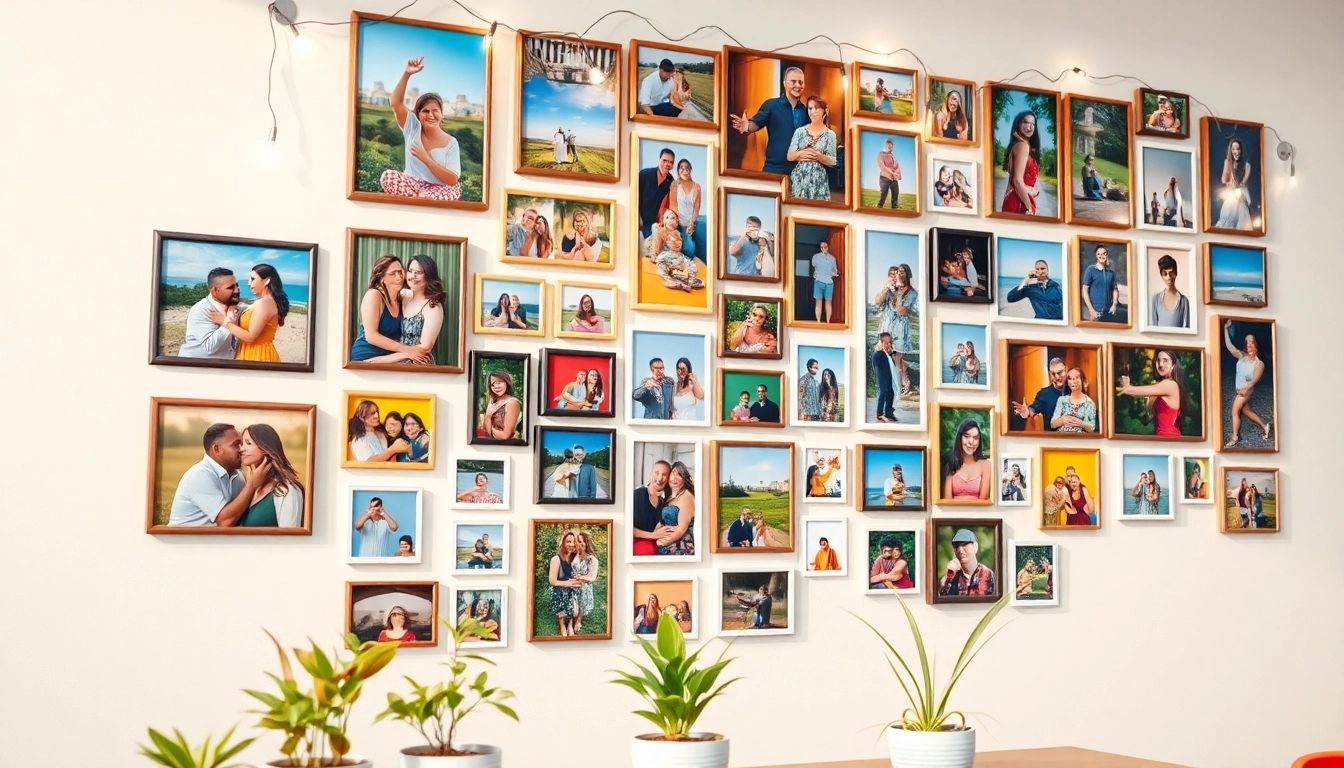
A photo wall is more than just a collection of framed images; it’s an artistic expression that reflects personal stories and cherished memories. Think of it as a gallery where each photograph contributes to a larger narrative, presenting a visual journey through time. Typically, these walls serve as a decorative feature in homes, offices, or event spaces, allowing individuals to showcase their favorite moments, adventures, and milestones. A well-designed photo wall can transform an ordinary space into a vibrant testament to life experiences while enhancing the overall aesthetics of a room.
Why Create a Photo Wall?
The benefits of creating a photo wall extend beyond mere decoration. Firstly, a photo wall personalizes a space, infusing it with warmth and personality. Secondly, it acts as a conversation starter—friends, family, and guests often linger longer to admire shared memories captured within frames. Furthermore, a photo wall can be therapeutic; curating and displaying personal photographs allows for reflection on joyful times, strengthening emotional well-being. Finally, a photograph captures moments. Each frame is a snapshot in time that invites nostalgia and storytelling, enriching the ambiance of your home or workspace.
Key Elements of an Impressive Photo Wall
Creating an impressive photo wall involves careful consideration of several key elements. Firstly, the choice of images is crucial; selecting high-quality photos that resonate with you personally ensures an emotional connection. Secondly, consistency in frame styles and colors enhances visual harmony. Lastly, the layout—whether linear, gallery-style, or asymmetrical—plays a monumental role in how the collection is perceived. Together, these components contribute to a cohesive and striking display that captures the essence of your unique story.
Designing Your Photo Wall Layout
Choosing the Right Location for Your Photo Wall
The location of your photo wall is foundational to its impact. High-traffic areas like living rooms, hallways, or even office spaces are ideal for maximum visibility. Consider spots where natural light is abundant, as this enhances the colors and details of your photos. Moreover, your photo wall should be located at eye level—typically between 57 to 60 inches from the floor for optimal viewing. Before you begin hanging frames, visualize how your wall will interact with the surrounding space and decor, ensuring that it becomes a seamless part of the environment.
Frame Styles and Sizes: Making Selections
Choosing the right frame styles and sizes complements your photos and contributes to the wall's overall aesthetic. Options range from sleek, modern frames to more ornate, vintage-style frames. A balanced mix can add interest, but it’s essential to maintain a cohesive color palette to unify the design. Additionally, varying frame sizes helps create dimension; larger frames can serve as focal points while smaller ones can accentuate them. A well-thought-out selection of frames expresses your taste and attention to detail, enhancing the overall presentation.
Symmetry vs. Asymmetry: Finding the Balance
When designing your photo wall, consider whether to adopt a symmetrical or asymmetrical approach. Symmetrical arrangements offer a feeling of order and balance, often suited for more traditional or formal spaces. On the other hand, asymmetrical designs can be more playful and eclectic, giving your wall a dynamic and creative vibe. Both methods can be visually pleasing if executed thoughtfully; the key is to ensure that there’s a flow to your arrangement. Planning beforehand can assist in achieving the desired balance while maintaining visual interest.
Curating Images for Your Photo Wall
Selecting Themes and Styles for Your Gallery
A central theme can unify your photo wall, guiding your selection of images. Popular themes might include family, travel, or hobbies—each offering a unique perspective that resonates with viewers. Establishing a coherent style—be it modern, rustic, or vintage—also aids in curating images that fit seamlessly together. For instance, a travel-themed wall could feature images from various locales, each framed in a consistent style but varying in dimension and orientation, creating a diverse yet cohesive look.
Tips for Mixing Different Image Types
Diversity in the types of images chosen—from candid shots to posed portraits or even abstract art—can add depth and intrigue to your wall. However, mixing various image types requires careful consideration to avoid a chaotic feel. One tip is to include a unifying element, such as a shared color scheme or recurring motifs, that ties distinct images together. Additionally, consider horizontal and vertical orientations within your layout to create visual balance. This flexibility allows for creativity while maintaining harmony across your photo wall.
Personal vs. Professional Photos: Striking the Right Balance
Striking a balance between personal and professional photos is key to ensuring your photo wall feels genuine. A mixture allows you to showcase different facets of your life, from cherished family moments to proud career achievements. When incorporating professional imagery, opt for those that evoke positive emotions or signify important milestones. This balance enhances the richness of your story and forms a well-rounded narrative that welcomes viewers to engage with your journey.
Enhancing Your Photo Wall with Accessories
Decorative Elements to Complement Your Wall
Integrating decorative elements can enhance your photo wall, transforming it into a multi-dimensional display. Consider adding wall decor like shelves for plants or art pieces that complement your photographs. Decorative letters, arrows, or inspirational quotes can also bring added dimension and character. Ensure these elements harmonize with your photos; a thematic approach intertwines all components into a coherent visual story that invites admiration and praise.
Lighting Options for Added Effect
Lighting can dramatically affect the ambiance of your photo wall, highlighting features and enhancing colors. Ambient lighting, such as wall sconces or built-in LED strips, can create a warm backdrop for your images. Consider accent lighting that focuses directly on the frames, bringing attention to key pieces. Utilizing natural light can also play a significant role; positioning your photo wall near windows can amplify brightness during the day. Overall, effective lighting choices elevate the display, allowing your curated moments to shine.
Seasonal Updates: Keeping It Fresh
Keeping your photo wall fresh and exciting can involve seasonal updates that reflect current experiences. Swapping out images or incorporating seasonal decor allows for a dynamic presentation that keeps your display aligned with your life. This act of updating serves as a reminder of cherished memories, acting as a canvas that evolves with you. Additionally, it provides an opportunity to revisit older photographs, reigniting fond memories and connections to the past.
Maintaining and Updating Your Photo Wall
Cleaning and Care for Frames and Photos
Regular maintenance is critical to preserving the integrity of your photo wall. Dust frames with a soft, dry cloth to keep them looking pristine. For glass-fronted frames, a gentle glass cleaner can eliminate smudges without damaging the image. Ensure photos aren’t exposed to direct sunlight for extended periods, as this can cause fading over time. With proper care, your photo wall can remain vibrant and inviting for years.
When and How to Refresh Images
Refreshing your images is vital for keeping your photo wall novel and engaging. Aim to update images at least once a year, or consider seasonal alterations to reflect current memories and experiences. When refreshing, take time to evaluate past images and curate new ones that capture excitement or growth. Aim for a mix of old and new, showcasing how your life’s narrative has evolved while honoring significant moments.
Frequently Asked Questions (FAQs)
What materials work best for a photo wall?
Opt for durable frames and materials that complement your home decor. Wood, metal, or canvas can all be effective.
Can I mix different frame styles?
Yes, mixing frame styles adds visual interest. Aim for a cohesive color palette to unify the design.
How often should I update my photo wall?
Consider updating your photo wall seasonally or annually to keep it fresh and reflective of your current memories.
What is the best height for hanging a photo wall?
Position your photos at eye level, typically around 57 to 60 inches from the floor to the center of the wall art.
Can I create a photo wall in a small space?
Absolutely! Use smaller frames and a cohesive layout to create an impactful gallery even in limited spaces.