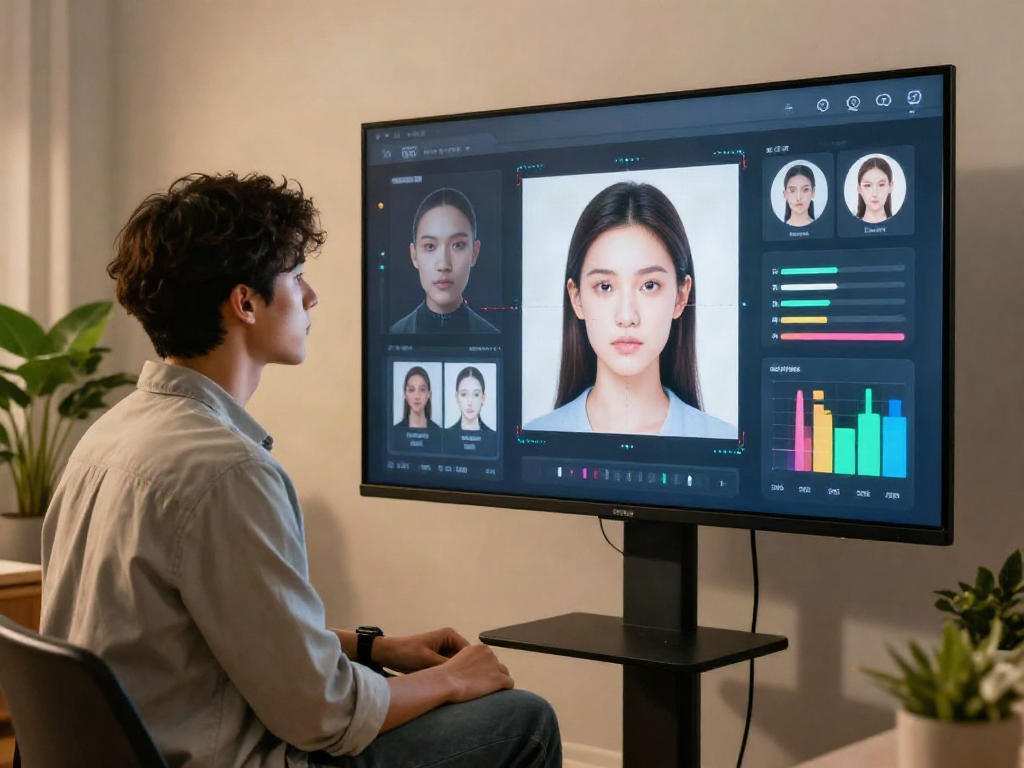
Understanding the Test of Attractiveness
In a world increasingly driven by visual impressions, understanding your attractiveness can seem like an alluring pursuit. While beauty is often deemed subjective, the test of attractiveness offers a more scientific angle to evaluating features that are traditionally considered appealing. By leveraging advanced algorithms and AI technologies, these tests aim to quantify beauty based on established aesthetic principles. In this article, we will delve into what exactly constitutes a test of attractiveness and how modern technology is reshaping our perceptions of beauty.
What is the Test of Attractiveness?
The test of attractiveness essentially refers to a set of tools or assessments that claim to numerically evaluate an individual's facial features. Users typically upload a photograph, which is then analyzed through algorithms that measure factors such as facial symmetry, proportions, and other aesthetic markers commonly associated with attractiveness. This method provides a score or rating that aims to quantify one's appeal, often sparking interest in self-perception and personal development.
How AI Analyzes Attractiveness
Artificial Intelligence plays a pivotal role in modern attractiveness tests, enabling them to offer rapid and accurate assessments. By utilizing machine learning, these systems analyze countless facial features against databases of rated faces. Key parameters examined include:
- Facial Symmetry: Balanced features are often perceived as more attractive.
- Golden Ratio: This mathematical ratio is frequently associated with ideal beauty.
- Canthal Tilt: The angle of the eyes can significantly influence perceived attractiveness.
- Facial Landmarks: Important points on the face that contribute to its overall appeal.
Such analyses empower users by providing them with a tangible score that can guide their self-improvement journeys.
The Science Behind Facial Symmetry
Numerous studies reveal that facial symmetry is one of the most critical factors in perceived attractiveness. This phenomenon can be attributed to various evolutionary theories suggesting that symmetrical features are indicators of genetic health and robust development. The 1990s introduced the concept of the "averageness" hypothesis, where composite images of multiple faces are often rated as more attractive than individual faces. This reliance on average features underscores the complex interplay between genetics, evolution, and beauty standards.
Benefits of Taking an Attractiveness Test
Participating in a test of attractiveness goes beyond mere curiosity. It can serve as a catalyst for personal evolution and growth. Here are some notable benefits:
Improving Self-Perception and Confidence
Receiving feedback about one’s attractiveness can lead to improved self-awareness and confidence. Rather than relying solely on subjective opinions from peers, using a scientific approach can help individuals understand their beauty within an objective framework, fostering a healthier self-image.
Using Feedback for Personal Development
Armed with insights from an attractiveness test, individuals can make informed decisions about their grooming, fashion choices, or even plastic surgery consultations. This personalized feedback enables tailored improvements, potentially increasing self-esteem and satisfaction.
Enhancing Social Interactions
Understanding one’s attractiveness can influence social dynamics. Individuals may engage more confidently in social scenarios, knowing how they are perceived. This newfound confidence can enhance relationships, networking opportunities, and even professional interactions.
Common Misconceptions About Attractiveness Tests
While these tests have gained traction, they are not without misconceptions. It’s important to differentiate fact from fiction.
Are Results Always Accurate?
One major question surrounding attractiveness tests is the accuracy of their results. While AI algorithms can provide insights based on established aesthetics, they cannot account for individual preferences and cultural differences that shape beauty standards. Therefore, results should be viewed as one of many perspectives rather than an absolute truth.
Understanding Subjectivity in Beauty
Beauty is often regarded as subjective, unique to each individual's perceptions and cultural background. Consequently, what one person may find attractive, another may not, rendering attractiveness tests somewhat limited in scope. Recognizing this subjectivity can help manage expectations regarding the outcomes of such assessments.
Addressing Privacy Concerns with Uploading Images
With the rising trend of digital analysis, privacy concerns have surfaced regarding the uploading of personal images. Users should thoroughly investigate the privacy policies of the platforms they use, ensuring that data is handled securely and ethically. Transparency from service providers is crucial in building trust in these technologies.
How to Prepare for Your Attractiveness Test
To maximize the efficacy of your attractiveness test, preparation is key. Below are actionable steps to consider.
Choosing the Right Photo for Submission
Selecting a clear, high-quality photo is essential for accurate analysis. Ideally, the image should be taken in natural lighting with a neutral background, avoiding filters that may alter original features.
Understanding Facial Features to Highlight
Aware of the common scoring criteria, individuals can choose photos that showcase their best features. For example, a slight smile can often enhance perceived attractiveness, while direct gaze may reflect confidence.
Setting the Right Environment for Your Photo
Photographers often advise natural light for flattering portraits. Ensure that the photo captures your face without distracting elements or heavy shadows; this will allow the algorithms to function optimally.
The Evolving Future of Attractiveness Testing
As technology continues to advance, the realm of attractiveness testing is poised for significant changes. Several emerging trends indicate where the industry is headed.
Emerging Trends in AI and Beauty Analysis
AI is evolving rapidly, with cutting-edge research focusing on aspects of beauty that go beyond traditional metrics. Future tools may incorporate emotional intelligence, understanding how expressions, poses, and attire contribute to overall attractiveness.
What to Expect in 2026 and Beyond
By 2026, we can anticipate even more sophisticated elegance assessments, integrating augmented reality experiences that allow users to visualize potential changes in appearance based on their attractiveness scores. These innovations promise to empower users by providing comprehensive insights into their beauty journey.
Industry Innovations in User Experience
As competition among service providers grows, the user experience will likely improve significantly. Expect user-friendly interfaces, comprehensive feedback systems, and educational resources geared toward enhancing understanding of beauty standards.
What Can a Test of Attractiveness Teach Us?
Ultimately, beyond the numbers, a test of attractiveness serves as a reminder of the diverse spectrum of beauty. It can foster conversations about the evolving definitions of attractiveness in society, challenging norms in a positive light.
How Advanced AI Will Change Beauty Standards
With increased personalization in beauty tech, future tests might adapt scores based on user preferences, encouraging a broader acceptance of unique features that defy mainstream standards.
How to Use Test Results Effectively?
Understanding how to interpret and leverage the results from attractiveness tests can lead to meaningful self-improvement. Setting realistic goals based on feedback and constantly evaluating your progress can aid in personal growth.
What Impact Does Attractiveness Have on Different Areas of Life?
Attractiveness can sway social interactions, professional opportunities, and even mental health. Recognizing the multifaceted effects of beauty can empower individuals to navigate different environments confidently.