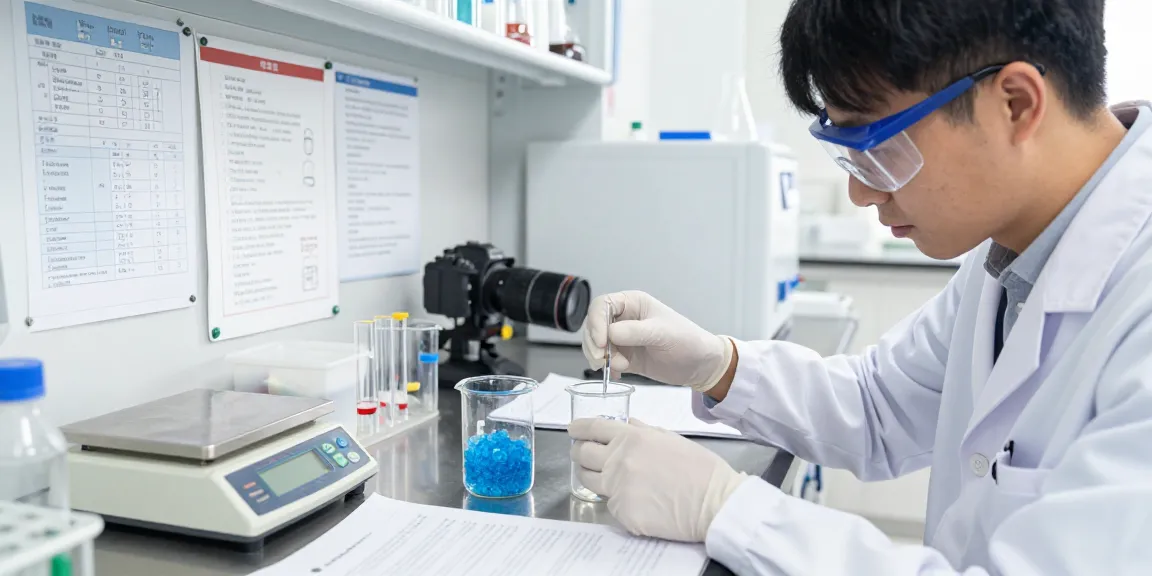
Introduction to Research Peptides
Research peptides have emerged as invaluable tools in modern scientific inquiry. These small chains of amino acids play diverse roles across a variety of fields, ranging from biochemistry to pharmacology. Understanding the foundational aspects of compound purity peptides is essential as purity significantly impacts their effectiveness in research and application.
What Are Research Peptides?
Research peptides are short sequences of amino acids that are used in scientific research for various purposes, including their potential therapeutic effects. They can range from just a few amino acids to longer chains that resemble proteins. These peptides can modulate biological processes, serve as biomarkers, or even act as catalysts in biochemical reactions. Their diverse functionalities make them ideal candidates for studies exploring cell signaling, neurochemistry, and drug development.
The Importance of Purity in Peptide Research
Purity in peptide research is paramount. The presence of impurities can skew experimental results, leading to misinterpretations of data. High-purity peptides ensure consistency and reliability in studies, enabling researchers to draw valid conclusions and replicate findings. Moreover, regulatory standards often dictate that only high-purity compounds can be utilized in clinical trials, further emphasizing the necessity of purity in peptide research.
Applications of Peptides in Modern Science
The applications of peptides in modern science are extensive. They are used in drug development, acting as active pharmaceutical ingredients (APIs) due to their specificity and reduced side effects compared to traditional small molecule drugs. Additionally, peptides are utilized in vaccine development, diagnostics, and treatment strategies for various conditions such as cancer, diabetes, and autoimmune disorders. Their ability to mimic natural molecules makes them indispensable in therapeutic contexts.
Evaluating Compound Purity Peptides
Methods to Assess Peptide Purity
Evaluating peptide purity involves several analytical techniques, each with its advantages and limitations. Techniques such as High-Performance Liquid Chromatography (HPLC), mass spectrometry, and capillary electrophoresis are frequently deployed due to their precision and sensitivity. HPLC, for instance, can separate peptide mixtures and provide a clear profile of their purity, while mass spectrometry can confirm molecular weight, adding another layer of verification.
Importance of Analytical Techniques
Employing robust analytical techniques is crucial not only for determining purity but also for ensuring the overall quality of research peptides. These techniques help in identifying the presence of residual solvents, by-products, or degradation products, which might compromise the peptide's functionality and stability. Implementing rigorous testing protocols supports the integrity of scientific experiments and enhances the trustworthiness of findings.
Common Challenges in Purity Evaluation
Despite advanced methods, challenges persist in accurately assessing peptide purity. For example, the complexity of peptide synthesis can introduce modifications or errors that are difficult to detect. Additionally, variations in sample preparation and the inherent instability of peptides during storage can lead to inconsistencies in purity measurements. Adopting standardized protocols can help mitigate these challenges, promoting more reliable purity evaluations in peptide research.
Benefits of High-Purity Peptides
Impact on Research Reliability
High-purity peptides significantly enhance the reliability of research results. When researchers work with pure compounds, the reproducibility of experiments is improved, as extraneous variables introduced by impurities are minimized. This leads to a higher confidence level in experimental outcomes and ultimately contributes to the advancement of knowledge in the field.
Enhanced Results in Experimental Applications
Using high-purity peptides in experimental applications can lead to improved outcomes. For instance, in pharmacological studies, pure peptides can exhibit intended biological activities without unpredicted side effects caused by impurities, providing clearer insights into their mechanism of action. These clean results are invaluable for developing effective therapeutic strategies.
Comparative Analysis: Pure vs. Impure Peptides
Comparative analyses between pure and impure peptides reveal stark differences in performance across various experiments. Inconsistent results from impure peptides can obscure critical findings and lead to erroneous conclusions. For example, an impure peptide may elicit unexpected biological responses, which can mislead researchers exploring therapeutic applications, highlighting the essential value of using high-purity peptides in experiments.
Case Studies in Peptide Research
Successful Applications in Pharmaceutical Development
There are numerous examples in pharmaceutical development where high-purity peptides have led to breakthroughs in treatment protocols. For instance, the development of insulin analogs utilized peptides with exceptionally high purity, which ensured consistent glucose regulation in diabetic patients. Such applications exemplify the crucial role of purity in translating research into viable therapeutic solutions.
Innovations Driven by High-Purity Peptides
High-purity peptides have been at the forefront of innovations in biopharmaceuticals. Recent developments in targeted cancer therapies leverage the specificity of peptides to selectively bind to tumor cells. These advancements underscore the necessity for purity, as high-purity peptides facilitate precise targeting while minimizing off-target effects, ultimately leading to safer and more effective therapies.
Learning from Past Research Experiences
Lessons from past research experiences have illuminated the criticality of peptide purity. Several high-profile studies have been retracted due to reliance on impure materials, which resulted in flawed data interpretations. Researchers now emphasize rigorous purity assessments as standard practice to ensure that similar pitfalls are avoided, cultivating a culture of integrity and trust in peptide research.
Future Trends in Peptide Research
Emerging Technologies for Purity Testing
The future of peptide research will likely see significant advancements in technologies for testing purity. Innovations such as enhanced chromatographic techniques, biosensors for real-time monitoring, and integrative analytical platforms are expected to redefine the landscape. These technologies promise to streamline assessments, increase throughput, and enhance accuracy in evaluating compound purity peptides.
Predictions for Peptide Applications in Various Fields
Peptides are projected to expand their applications across various fields, including personalized medicine, where tailored peptide therapies could provide optimized treatment solutions. Additionally, the integration of peptides with nanotechnology may give rise to novel drug delivery systems, improving the efficacy and targeting of therapeutics. This anticipated growth accentuates the need for high purity to ensure success in diverse applications.
Environmental Initiatives in Peptide Production
As sustainability concerns rise, the peptide production industry is shifting towards eco-friendly practices. Innovations such as green chemistry in peptide synthesis, reduction of hazardous waste, and renewable resources for peptide synthesis are gaining traction. These environmental initiatives not only address ecological challenges but also align with the global demand for sustainable practices in research and production.
FAQs
What are research peptides primarily used for?
Research peptides are used in various fields including drug development, diagnostics, and therapeutic applications to modulate biological activity or mimic natural molecules.
Why is purity crucial in peptide research?
Purity is vital as impurities can lead to inconsistent research results, skewing data interpretation and potentially compromising study outcomes and reproducibility.
What methods are effective in evaluating peptide purity?
Effective methods include High-Performance Liquid Chromatography (HPLC), mass spectrometry, and capillary electrophoresis, which provide relevant data on purity and structure.
How does high-purity impact research reliability?
High-purity peptides enhance research reliability by minimizing variable factors, thus ensuring more consistent and reproducible experimental results.
What trends are emerging in peptide research?
Emerging trends include advancements in analytical technologies, expanding applications in personalized medicine, and increased focus on sustainable production practices.