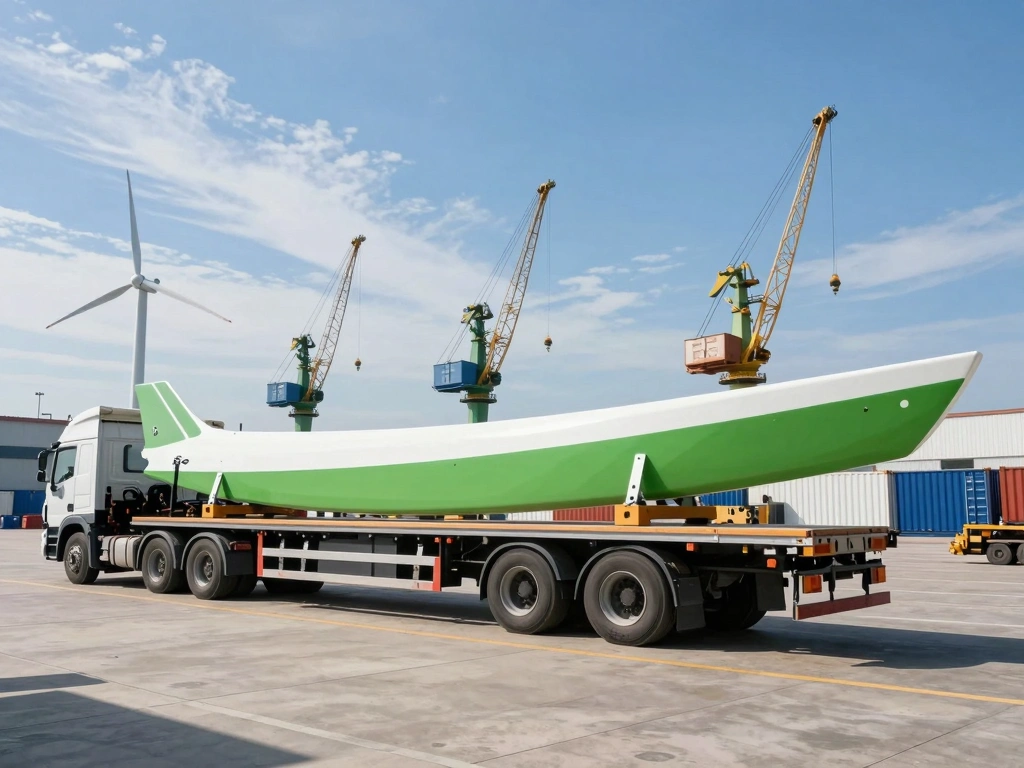
What is Hauling?
Definition and Importance
Hauling refers to the process of transporting goods or materials from one place to another, typically using a truck or other heavy vehicle. This activity plays a crucial role in many industries, including construction, logistics, and waste management. Its importance cannot be overstated, as effective hauling services are necessary for maintaining supply chains and ensuring that products reach their destinations on time. Understanding the nuances of hauling aids businesses in optimizing their operations and reducing costs.
Types of Hauling Services
There are various types of hauling services available, catering to different needs:
- Freight Hauling: This involves the transportation of large quantities of goods, often over long distances. Freight hauling can include both full truckloads (FTL) and less-than-truckload (LTL) shipments.
- Junk Removal: This service is focused on collecting and disposing of unwanted items, debris, or materials, commonly used by households and businesses for decluttering.
- Construction Material Hauling: Construction sites require significant amounts of materials, from lumber and concrete to heavy machinery. Hauling services in this domain ensure timely deliveries essential to project timelines.
- Heavy Equipment Hauling: When it comes to transporting oversized or heavy machinery, specialized vehicles and expertise are required to ensure safety and compliance with regulations.
Applications Across Industries
Hauling services span numerous industries, each with unique demands:
- Construction: Hauling plays a pivotal role in delivering materials such as sand, gravel, concrete, and machinery to job sites.
- Agriculture: Farmers depend on hauling services to transport crops, livestock, and agricultural equipment.
- Retail and E-commerce: Deliveries from warehouses to retail outlets or directly to consumers involve frequent hauling operations.
- Manufacturing: Raw materials need to be transported to production facilities continuously, necessitating efficient hauling solutions.
Choosing the Right Hauling Service
Factors to Consider
When selecting a hauling service, several factors come into play to ensure that the choice aligns with your specific needs:
- Service Options: Ensure that the service provider offers the type of hauling you require, whether it’s for freight, junk removal, or specific materials.
- Experience: Look for companies with a proven track record in the industry, as experienced haulers are more likely to deliver reliable service.
- Equipment Quality: The condition of the hauling vehicles and equipment is critical for safety and efficiency. Well-maintained equipment minimizes the risk of delays.
- Insurance and Licensing: Verify that the hauling company possesses the necessary insurance and licenses, safeguarding against potential liabilities.
Cost Comparisons
Cost is often a decisive factor when choosing a hauling service. Assessing quotes from multiple providers allows you to make an informed decision. Factors affecting cost include:
- Load Size: Larger loads typically incur higher fees due to increased resource usage.
- Distance: Transportation over longer distances drives up costs, especially with fuel rates fluctuating.
- Type of Goods: Hazardous materials require special handling and may carry additional fees.
- Time Sensitivity: Urgent hauls often cost more; planning ahead can help save money.
Evaluating Service Providers
To evaluate potential hauling companies effectively, consider the following approaches:
- Customer Reviews: Online reviews provide insights into customer satisfaction and service reliability.
- Recommendations: Ask acquaintances or colleagues for their experiences or referrals to trustworthy haulers.
- Interviewing: Reach out to selected providers to gauge professionalism, responsiveness, and willingness to address concerns.
Best Practices for Effective Hauling
Planning and Coordination
Effective hauling requires meticulous planning. Consider these steps for optimal results:
- Route Planning: Use technology to map the most efficient routes, accounting for traffic patterns and construction detours.
- Scheduling: Coordinate delivery times based on site availability to avoid delays and unnecessary waiting periods.
- Load Management: Ensure that loads are balanced and secured properly to prevent accidents during transit.
Safety Protocols
Safety is paramount in hauling operations. Implement these best practices:
- Regular Training: Conduct safety training sessions for all personnel involved in hauling activities.
- Equipment Inspections: Schedule regular inspections of vehicles and equipment to identify and address potential issues.
- Adhere to Guidelines: Follow all local and federal regulations regarding transportation safety and handling materials.
Equipment Maintenance and Management
Properly maintaining hauling equipment extends its lifespan and enhances safety. Consider the following practices:
- Routine Maintenance: Establish a schedule for regular servicing, including oil changes, tire checks, and brake inspections.
- Inventory Management: Track equipment usage to identify potential wear and tear, ensuring timely replacements or repairs.
Environmental Considerations in Hauling
Sustainable Practices
As environmental concerns rise, many hauling companies are adopting sustainable practices, such as:
- Fuel Efficiency: Using fuel-efficient vehicles reduces emissions and operating costs.
- Load Optimization: Maximizing load capacity minimizes the number of trips needed, further reducing fuel consumption.
Reducing Carbon Footprint
Strategies to reduce the carbon footprint of hauling services include:
- Alternative Fuels: Some companies are exploring electric or alternative fuel vehicles instead of traditional combustion engines.
- Eco-friendly Practices: Implementing recycling programs during hauling operations minimizes waste.
Compliance with Regulations
Staying compliant with environmental regulations is not only a legal obligation but also enhances reputation. Ensure adherence to:
- Waste Management Laws: Follow local regulations governing waste disposal and the handling of hazardous materials.
- Emission Standards: Regularly check that vehicles meet emission standards set by the authorities.
FAQs about Hauling
What is the meaning of hauling?
Hauling refers to the act of transporting goods from one location to another using vehicles like trucks or trailers.
How can I find local hauling services?
You can search online directories or use review platforms to find reputable local hauling services near you.
What are the types of hauling?
There are various types of hauling including freight hauling, junk removal, and construction material hauling.
What should I consider when choosing a hauling company?
Evaluate factors such as pricing, reviews, service options, experience, and safety records before making a decision.
Can hauling services be environmentally friendly?
Yes, some hauling services adopt eco-friendly practices, such as using fuel-efficient vehicles and optimizing routes to reduce emissions.
Contact Information
Call Us: 4062607988Address: 3906 MT-40, Columbia Falls, MT 59912