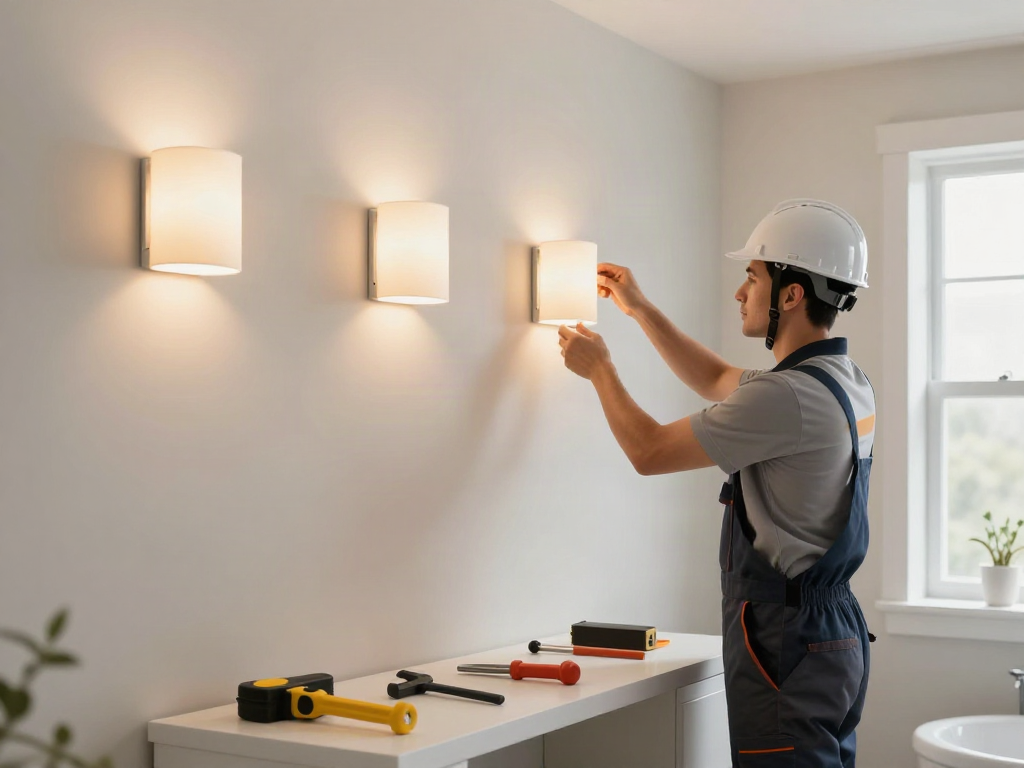
Understanding the Role of a New York City Commercial General Contractor
The New York City Commercial General Contractor plays a pivotal role in the construction and renovation landscape of one of the most complex urban environments in the world. Governing everything from residential builds to extensive commercial projects, these specialists blend technical skills with project management expertise to deliver on time and within budget.
Core Responsibilities and Duties
New York City commercial general contractors are responsible for overseeing construction projects from inception to completion. This includes:
- Project Planning: Assessing project requirements, timelines, and resources.
- Cost Estimation: Providing detailed budget analyses while accounting for labor, materials, and additional expenses.
- Hiring Subcontractors: Selecting and managing specialists for various trades such as plumbing, electrical, and HVAC.
- Compliance and Permits: Navigating local regulations to ensure all aspects of the project meet required standards.
- Quality Control: Enforcing safety and quality protocols to mitigate risks and ensure ongoing compliance with building codes.
Key Skills Required
Effective commercial general contractors possess a unique skill set, including:
- Management Skills: Proficient in leading teams and projects effectively under tight deadlines.
- Technical Knowledge: Expertise in building materials, construction techniques, and architectural design.
- Financial Acumen: Competence in budgeting and managing project finances while maximizing profitability.
- Problem-Solving: Ability to quickly identify issues and devise appropriate solutions.
- Communication Skills: Clear communication with clients, subcontractors, and local authorities is crucial for project success.
Benefits of Hiring a Professional Contractor
Engaging a professional New York City commercial general contractor can provide numerous advantages. These include:
- Time Efficiency: Experienced contractors can complete projects faster due to their established networks and knowledge of local processes.
- Cost-Effectiveness: A skilled contractor often has preferred vendor relationships, which can reduce material costs.
- Increased Safety: Professional contractors prioritize safety regulations and employ trained personnel, thus minimizing accidents on-site.
- Peace of Mind: Knowing that a qualified expert is managing your project helps in reducing stress and uncertainty.
Choosing the Right New York City Commercial General Contractor for Your Project
Factors to Consider When Selecting
Selecting the right contractor is crucial to the success of your project. Factors to consider include:
- Experience: Look for a contractor with a robust portfolio relevant to your specific project type.
- Reputation: Seek out references and read reviews to gauge the contractor's reliability and quality of work.
- License and Insurance: Ensure the contractor is licensed and carries appropriate insurance to protect your investment.
- Availability: Confirm the contractor’s capacity to take on your project within your timeline.
- Communication Style: Effective communication is key; choose someone who listens and provides clear updates.
Questions to Ask Before Hiring
Before making a decision, consider asking potential candidates the following questions:
- Can you provide references from previous clients?
- How do you handle project delays or unforeseen issues?
- What is your process for obtaining necessary permits?
- How do you ensure the project stays within budget?
- Who will be responsible for day-to-day project management?
Evaluating Contractor Proposals
When evaluating contractor proposals, focus on:
- Detailed Breakdown: Ensure the cost estimates are comprehensively itemized.
- Project Timeline: Check for realistic deadlines and milestones that fit your project schedule.
- Materials Specifications: Confirm the types and brands of materials included in the proposal, ensuring quality.
- Warranty Terms: Understand the warranty or guarantees on labor and materials.
Regulatory Requirements for General Contractors in NYC
Understanding Licensing and Permitting
General contractors in New York City must comply with various licensing and permitting requirements, which include:
- Obtaining a License: Contractors must obtain a general contractor’s license from the NYC Department of Buildings.
- Permitting: All construction projects require the appropriate permits, which must be secured before work begins.
- Compliance with Local Laws: Knowledge of applicable local laws and construction codes is essential for legal adherence.
Insurance Requirements
Insurance is a non-negotiable aspect of contracting work in NYC. Key policies include:
- General Liability Insurance: Protects against third-party claims for property damage or personal injury.
- Worker’s Compensation: Required for employee protection in case of work-related injuries.
- Professional Liability Insurance: Covers claims related to negligence or failure to deliver services as promised.
Compliance with Local Building Codes
Contractors must adhere to the NYC Building Code, which outlines safety, structural integrity, energy efficiency, and zoning regulations. Familiarity with these codes is essential for ensuring project safety and legal compliance.
Common Challenges Faced by New York City Contractors
Navigating Bureaucracy and Regulations
Contractors often face significant bureaucratic hurdles, including:
- Regulatory Complexity: The intricate web of regulations can slow down project timelines as permits and approvals are obtained.
- Changing Codes: Municipal codes can change, requiring contractors to stay updated and adaptable.
Managing Project Costs and Timelines
Maintaining control over project costs and timelines requires vigilance in planning and execution. Strategies include:
- Budgeting Appropriately: Detailed cost estimations and contingency planning help manage financial risk.
- Regular Updates: Routine meetings and evaluations ensure that tasks are on track.
Dealing with Supply Chain Issues
Supply chain disruptions can significantly impact project timelines. Effective strategies include:
- Diverse Sourcing: Using multiple suppliers can reduce dependency on a single source.
- Stocking Essential Materials: Keeping an inventory of critical materials can mitigate potential delays.
Future Trends in NYC Commercial Construction
Emerging Technologies in Construction
Technological advancements are transforming how construction projects are executed. Notable trends include:
- Building Information Modeling (BIM): Enhances project visualization and collaboration among stakeholders.
- Drones: Used for site surveying and monitoring progress efficiently.
- 3D Printing: Emerging as a method to create building components faster and at lower costs.
Sustainability and Green Building Practices
With growing environmental concerns, contractors are integrating sustainable practices into their projects. This includes:
- Energy-Efficient Materials: Utilizing sustainable materials that promote energy efficiency.
- Waste Management: Implementing recycling programs to reduce construction waste.
- Certification Standards: Achieving LEED and other environmental certifications adds value to projects.
Impact of Economic Changes on Construction
The construction industry is heavily influenced by economic conditions. Key considerations include:
- Market Demand: Understanding the market demand can help in making informed bidding decisions.
- Labor Costs: Economic fluctuations can affect labor costs and availability, impacting project budgets.
FAQs about New York City Commercial General Contractors
1. What should I look for when hiring a commercial contractor?
Consider their experience, reputation, insurance, and compatibility with your project requirements for a successful partnership.
2. How do contractors manage project budgets?
Contractors use detailed estimates, track expenses, and implement cost control measures to stay within budget.
3. What licenses do general contractors need in NYC?
Contractors must have a valid general contractor’s license from the NYC Department of Buildings to operate legally.
4. How do I ensure quality in construction work?
Choose experienced contractors who follow quality control processes, including regular inspections and compliance with standards.
5. What are the biggest challenges in NYC construction?
Common challenges include navigating complex regulations, managing project timelines, and dealing with supply chain disruptions.