Understanding Containerized Wastewater Treatment Systems
Containerized wastewater treatment systems represent a revolutionary approach to managing wastewater efficiently and effectively. These systems offer a comprehensive solution for various water treatment challenges, accommodating everything from household sewage to complex industrial effluents. Their modular design not only ensures rapid deployment but also allows for operational flexibility and compliance with stringent environmental standards. For those searching for reliable options, Wastewater Treatment System Manufacturers provide a wealth of integrated solutions, ensuring optimal performance across different environments.
What Are Containerized Wastewater Treatment Systems?
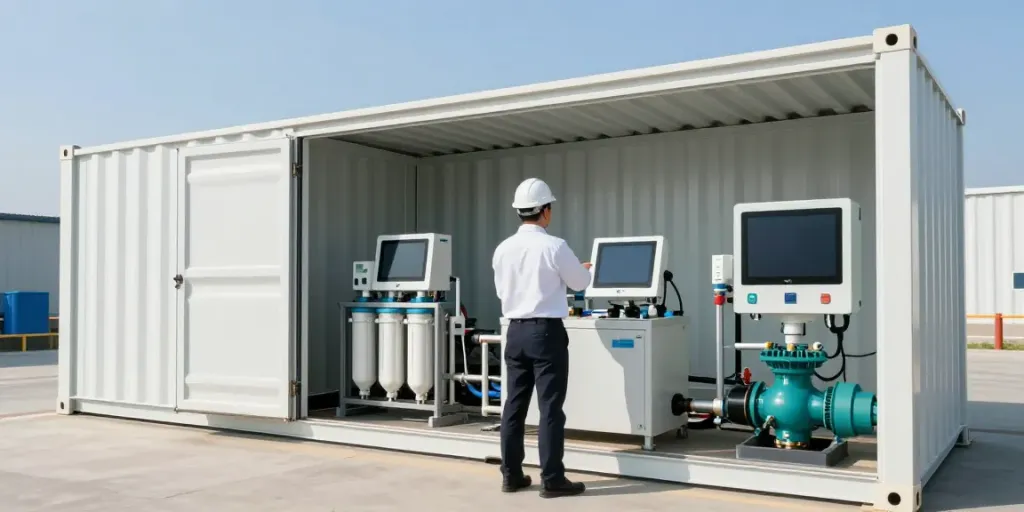
Containerized wastewater treatment systems are pre-engineered solutions housed within standard shipping containers, typically measuring 20 or 40 feet. Their design allows for easy transport and installation, making them ideal for locations where traditional treatment plants would be impractical or too costly. These systems can accommodate various treatment needs, including biological, chemical, and physical processes, tailoring functionality to the specific type of wastewater being treated.
Key Components and Technologies in Wastewater Treatment
Modern containerized systems incorporate a range of cutting-edge technologies that enhance their efficiency and effectiveness. Key components include:
- Biological treatment units: Utilizing microorganisms to degrade organic matter.
- Chemical treatment modules: Applying chemicals to remove contaminants effectively.
- Filtration systems: Essential for removing solid particles and improving effluent quality.
- Automation and control systems: Allowing for real-time monitoring and adjustments to optimize treatment processes.
Applications Across Various Industries
Containerized wastewater treatment systems are versatile and can be deployed across multiple sectors. Common applications include:
- Municipal: Treating sewage for urban and suburban communities.
- Industrial: Managing effluents from manufacturing processes, oil and gas extraction, and food production.
- Agricultural: Processing runoff and wastewater from livestock operations.
- Emergency response: Providing immediate solutions in disaster-stricken areas where infrastructure has been compromised.
Benefits of Utilizing Containerized Systems
The growing preference for containerized wastewater treatment systems can be attributed to several significant advantages. These systems not only simplify the implementation of wastewater treatment solutions but also provide substantial benefits to operators.
Rapid Deployment and Flexibility
One of the most notable features of containerized systems is their rapid deployment capabilities. Typically, these systems can be fully operational within one to two days of arrival on site. Deployment requires minimal equipment, often just a flatbed truck and a crane. This flexibility makes them an ideal solution for temporary installations, emergencies, and evolving treatment needs.
Compliance with Environmental Standards
Adhering to environmental regulations is critical for any wastewater treatment solution. Containerized systems are designed with compliance in mind, ensuring that effluent quality meets or exceeds regulatory standards. This proactive approach not only safeguards public health but also minimizes the ecological impact of wastewater disposal.
Cost-Effectiveness and Efficiency
Containerized wastewater treatment systems offer cost-efficient solutions without compromising on quality. Their modular design reduces the need for extensive civil works associated with traditional treatment plants. This translates to lower capital and operational expenditures, making it an attractive option for both municipalities and industries.
Choosing the Right Manufacturer
Selecting a reliable manufacturer is crucial when investing in a wastewater treatment system. Various factors should be considered to ensure you choose a partner that meets your specific needs.
Criteria for Selecting Wastewater Treatment System Manufacturers
When evaluating potential manufacturers, consider the following criteria:
- Experience: Look for companies with a proven track record in delivering effective wastewater treatment solutions.
- Customization capabilities: Ensure the manufacturer can tailor systems to your specific requirements.
- Support and services: Evaluate the post-installation support and maintenance services offered.
Evaluating Quality and Compliance
It's essential to assess the quality of materials and technologies used in the systems. Ensure the manufacturer complies with local and international standards, as this can significantly impact the performance and longevity of the system.
Global Market Leaders in Wastewater Treatment
Some of the leaders in the wastewater treatment industry include companies known for their innovative approaches and comprehensive solutions. These manufacturers are at the forefront of technology, providing enhanced and effective wastewater treatment options across the globe.
Challenges in Wastewater Management
While containerized wastewater treatment systems offer numerous benefits, the industry also faces several challenges that must be addressed to ensure effective management of wastewater.
Common Obstacles Faced by Manufacturers
Manufacturers in the wastewater treatment sector often encounter hurdles such as:
- Regulatory compliance: Navigating complex regulations can be challenging and costly.
- Technological advancements: Keeping pace with rapid technological developments requires continuous investment in research and development.
- Market competition: Increasing competition necessitates innovation and efficient operational practices.
Technological Advances Addressing Industry Challenges
Recent technological advancements are transforming wastewater treatment. Innovations such as smart monitoring systems, advanced filtration technologies, and improved biological treatment processes are paving the way for more efficient and effective wastewater management, helping manufacturers meet modern demands.
Future Trends in Wastewater Treatment Technology
Looking ahead, the wastewater treatment industry is poised to evolve rapidly. Key trends to watch include:
- Increased automation: The integration of AI and IoT technologies for better monitoring and control.
- Resource recovery: Shifting focus toward recovering water and other resources from wastewater for reuse.
- Sustainability initiatives: Emphasizing eco-friendly practices and reducing the carbon footprint associated with wastewater treatment.
Case Studies and Real-World Applications
Examining successful implementations of containerized wastewater treatment systems can provide valuable insights for prospective users.
Successful Implementations of Containerized Systems
Numerous case studies showcase the effectiveness of containerized systems across various sectors. For instance, municipalities that have adopted these systems report significant improvements in wastewater management efficiency and reduced operational costs.
Performance Metrics and Success Indicators
Key performance indicators (KPIs) such as effluent quality, operational uptime, and compliance rates can serve as benchmarks for evaluating the success of containerized systems. Tracking these metrics enables organizations to optimize performance continuously.
Lessons Learned for Future Projects
Insights from previous projects highlight the importance of thorough planning and stakeholder engagement. Addressing potential challenges early in the implementation process can lead to smoother operations and greater success in achieving treatment goals.
What are the top 10 largest wastewater treatment plants in the USA?
Understanding the scale of wastewater treatment facilities can provide context for the capabilities of containerized systems. The largest wastewater treatment plants in the USA demonstrate the significant demand for efficient and effective solutions in managing wastewater.
Who are the largest water treatment companies?
Identifying leading companies in the water treatment industry can guide buyers toward reputable suppliers and partners for wastewater treatment solutions. These companies set benchmarks in quality and innovation in the sector.
What are some popular brands of wastewater pumps?
Familiarity with trusted brands and manufacturers of wastewater pumps can assist organizations in making informed decisions about the equipment necessary for their wastewater treatment systems, ensuring reliability and performance.
What is the best sewage treatment system?
Defining the best sewage treatment system depends on various factors, including application, efficiency, and compliance. Evaluating different systems against your specific needs is crucial for selecting the most effective solution.
What are the benefits of using containerized wastewater solutions?
In summary, containerized wastewater solutions offer a myriad of benefits, including rapid deployment, operational flexibility, compliance with environmental standards, and cost-effectiveness. As industries strive to enhance wastewater management, containerized systems increasingly emerge as a preferred solution.