Introduction to Pet Food Packaging Company
The pet food industry is a dynamic sector that combines innovation with consumer demands for quality and sustainability. With pet ownership on the rise, the packaging solutions for pet food have gained paramount importance, making pet food packaging company offerings crucial for success. This article explores the multifaceted world of pet food packaging, detailing the essential components that contribute to effective, sustainable, and visually appealing packaging solutions.
Overview of the Packaging Industry
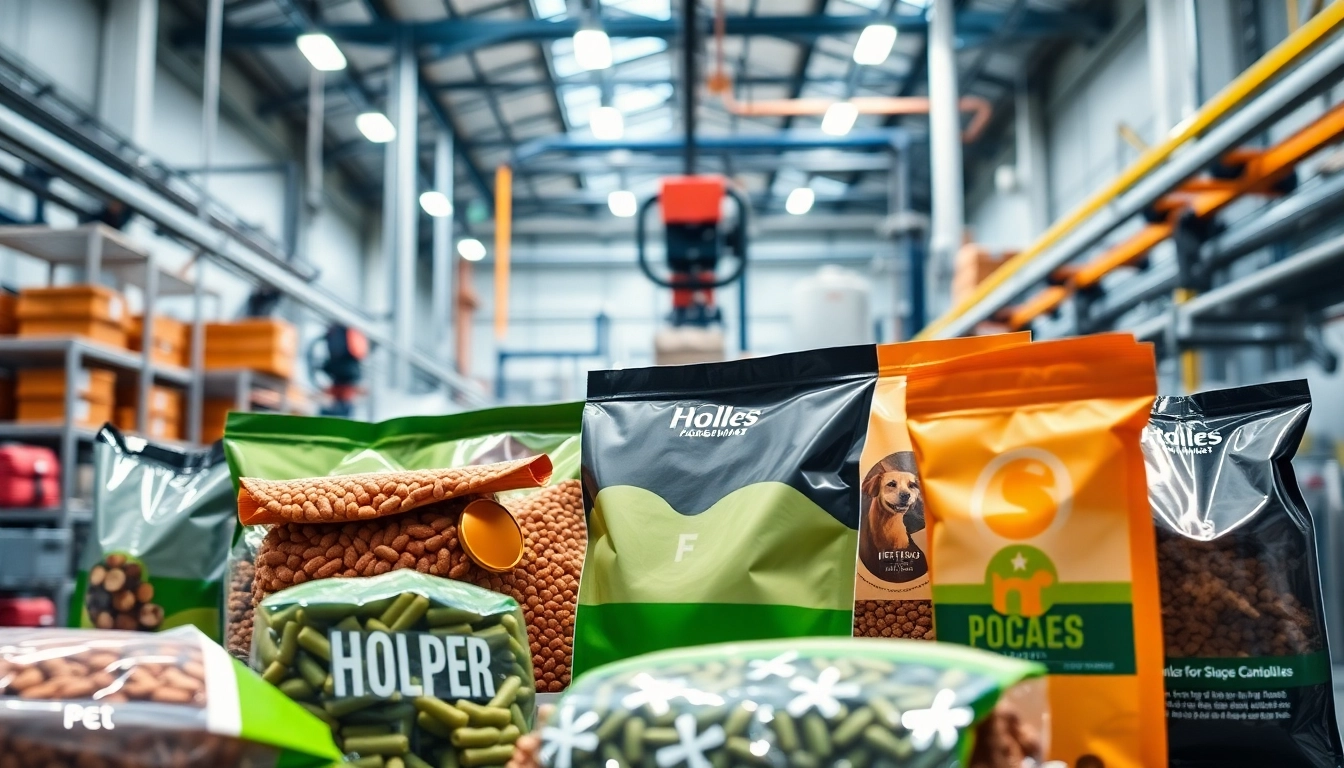
The packaging industry plays a vital role in protecting products, marketing them effectively, and ensuring compliance with various regulations. As consumer preferences evolve, packaging has transformed from mere containment to a sophisticated vehicle for branding and sustainability. In the pet food sector, packaging has become a critical aspect of product differentiation. Factors such as convenience, safety, and environmental impact are key drivers of packaging innovation. Various packaging formats, including pouches, cans, and bags, are available, each serving unique purposes in terms of product preservation and shelf life.
Importance of Quality Packaging in Pet Food
Quality packaging in pet food is crucial for several reasons. Firstly, it protects the product from contaminants, moisture, and air that can degrade quality. Secondly, effective packaging enhances product appeal, attracting consumers amidst intense competition. Thirdly, corrugated and flexible packaging solutions provide an opportunity for branding, allowing companies to communicate their values and engage their customers. Moreover, legal compliance regarding labeling, safety, and nutrition information can't be overlooked.
Trends Shaping Pet Food Packaging
The packaging landscape is continually evolving to meet consumer and regulatory demands. Key trends shaping pet food packaging include:
- Sustainability: More consumers are seeking eco-friendly packaging options, prompting companies to explore biodegradable and recyclable materials.
- Convenience: Resealable bags and single-serve pouches cater to busy pet owners' lifestyles and ensure freshness.
- Transparency: Clear labeling and packaging that disclose ingredient sourcing appeal to consumers looking for high-quality, trustworthy products.
- Smart Packaging: The integration of technology in packaging, such as QR codes, connects consumers to more information about the product.
Understanding Pet Food Packaging Materials
Types of Materials Used
Various materials are utilized in pet food packaging, each offering distinct benefits and challenges:
- Plastic: Commonly used due to its lightweight, flexibility, and cost-effectiveness. Polyethylene and polypropylene are widely used for making pouches and bags.
- Paper: Paper products, including bags and cartons, can be made sustainable but may require additional coatings to enhance moisture resistance.
- Aluminum: Used primarily in cans, aluminum packaging offers excellent barrier properties against light and oxygen, ensuring product longevity.
- Glass: Though heavier and more fragile, glass packaging is appreciated for its premium feel and recyclability.
Benefits of Sustainable Materials
Sustainable materials in packaging not only appeal to eco-conscious consumers but can also enhance brand loyalty. Benefits include:
- Reduced Environmental Impact: Using biodegradable or recyclable materials helps minimize pollution and waste.
- Consumer Appeal: A commitment to sustainability enhances brand image, particularly among younger, eco-aware pet owners.
- Regulatory Compliance: Increasing regulations regarding environmental impact mean early adoption can help avoid future compliance issues.
Choosing the Right Material for Your Product
Selecting the right packaging material hinges on various factors, including product type, shelf life, and consumer expectations. Considerations include:
- Barrier Properties: Essential for keeping pet food fresh, especially for wet products that may spoil quickly.
- Cost: Balance between quality and affordability to remain competitive.
- Branding Needs: The choice of material can impact printing and labeling, integral for marketing strategies.
Design Considerations for Pet Food Packaging
Creating an Attractive Visual Identity
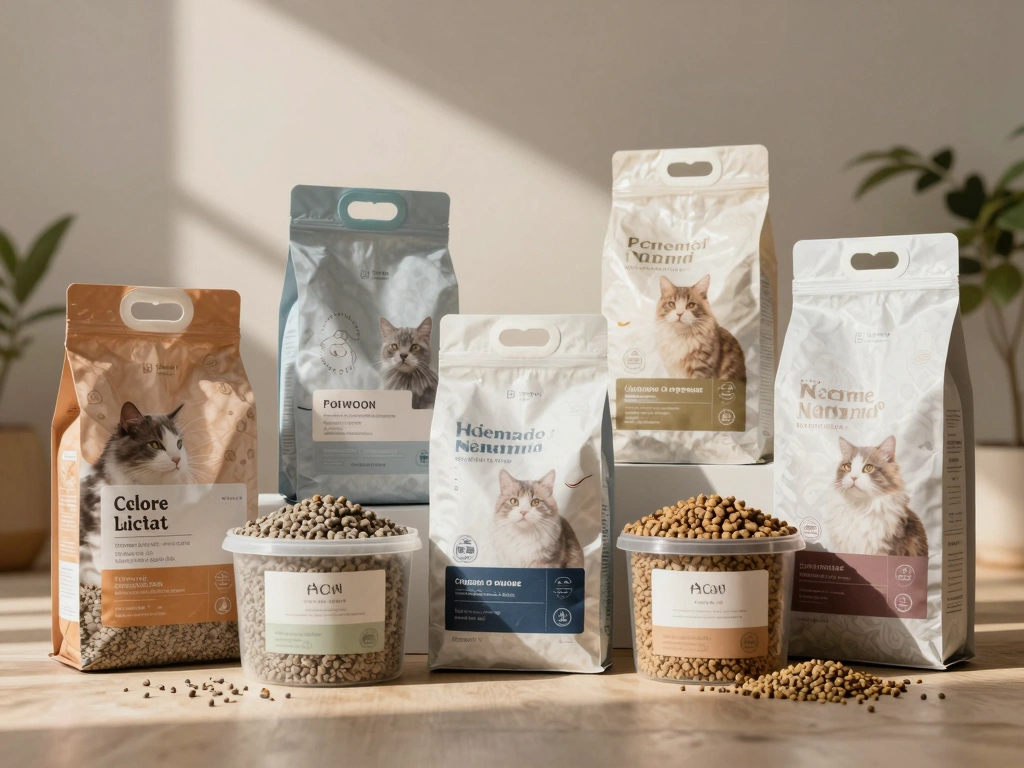
Visual branding is pivotal in the competitive pet food market. Packaging design should reflect the brand’s identity and resonate with target consumers. Features to consider include:
- Colors and Graphics: Choose colors that reflect the brand’s ethos; for example, organic pet foods may use earthy tones.
- Typography: Clear, legible fonts help communicate important information effectively.
- Shape and Size: Different shapes can stand out on shelves while also offering functionality in terms of storage and pouring.
Important Legal Requirements
Compliance with regulatory guidelines is fundamental in pet food packaging. Important legal aspects include:
- Nutrition Information: Contents must be accurately displayed, including calorie counts and ingredient specifics.
- Labeling Regulations: Follow local and national guidelines concerning pet food labeling to avoid penalties.
- Health Claims: Any claims made on packaging must be substantiated to maintain transparency and trust.
How to Meet Consumer Expectations
Today’s consumers expect more than just quality; they want assurance of safety and ethical practices. Consider the following:
- Transparency: Clearly communicate sourcing, ingredients, and manufacturing processes.
- Quality Assurance: Implement strict quality control measures to ensure consistency and safety in products.
- Customer Engagement: Use packaging as a tool for interaction, such as promoting social media campaigns or loyalty programs.
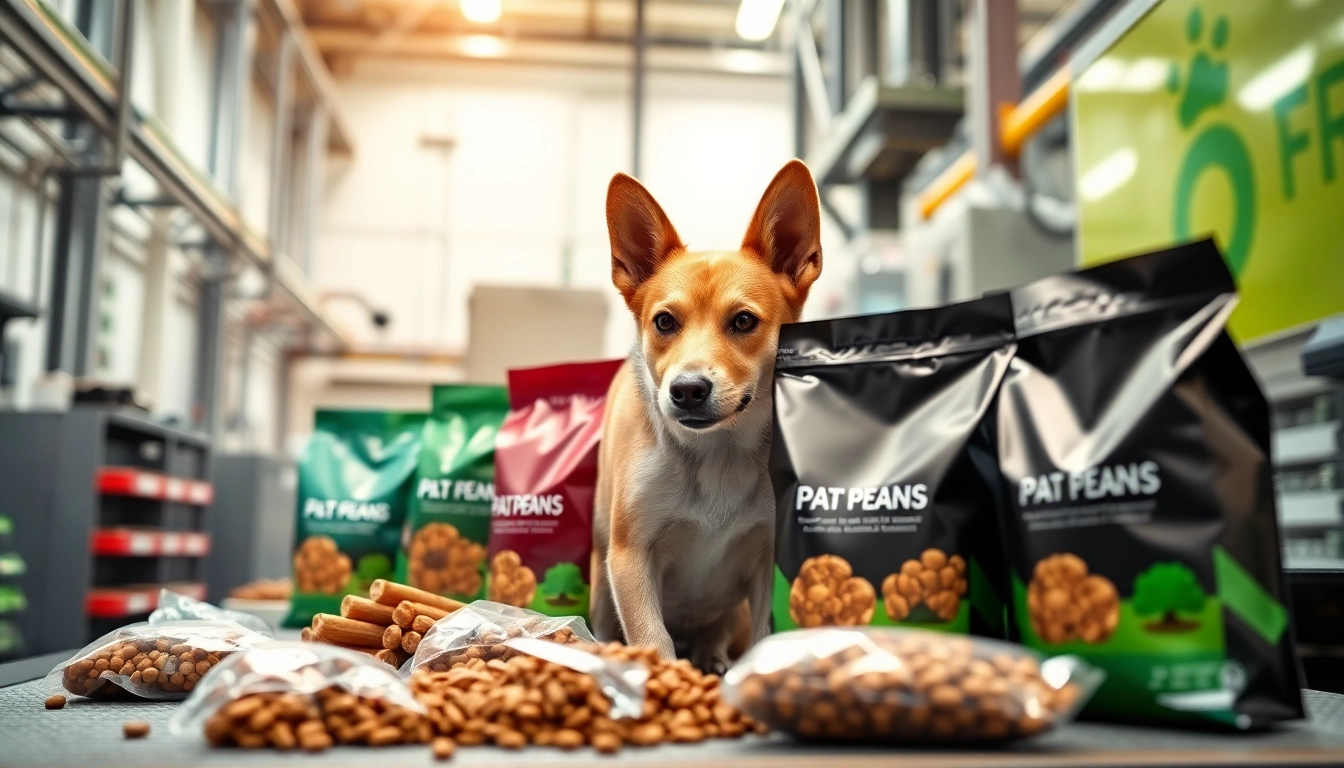
Challenges in the Pet Food Packaging Market
Maintaining Quality During Production
The production process must consistently maintain high-quality standards. Challenges include:
- Material Quality: Ensuring that packaging materials meet safety and durability standards is non-negotiable.
- Production Consistency: Variability in production can lead to inconsistent packaging quality, risking product integrity.
Adapting to Regulatory Changes
Regulatory frameworks are continuously evolving, prompting industries to adapt swiftly to new laws. Key considerations include:
- Staying Informed: Regular training and updates are necessary to keep the team abreast of changing regulations.
- Implementing Changes: Streamlining processes to include new compliance requirements without causing significant delays in production.
Managing Supply Chain Issues
Supply chain disruptions can significantly impact material availability and costs. Strategies to mitigate this risk include:
- Diversifying Suppliers: Reducing dependence on a single supplier can create more stability in material sourcing.
- Forecasting and Planning: Use data analytics to predict trends and manage inventory effectively.
Future Innovations in Pet Food Packaging
The Role of Technology in Packaging
Technological advancements are reshaping pet food packaging. Innovations include:
- Smart Packaging: Technologies such as RFID and QR codes allow greater engagement and tracking.
- Automation: Streamlining production processes through automated systems can enhance efficiency.
Sustainable Practices for the Future
The future of packaging will likely prioritize sustainability even more. Innovations worth watching include:
- Biodegradable Materials: Research into fully biodegradable materials is underway, promising eco-friendly packaging solutions.
- Recyclability Improvements: Developing packaging that is easier to recycle can align with consumer values for environmental stewardship.
Predictions for Market Growth and Changes
The pet food packaging market is poised for growth, driven by innovation and changing consumer behaviors. Anticipated trends include:
- Customization: As personalization rises, demand for customized packaging solutions will increase.
- Health and Wellness Focus: Pet owners are becoming more health-conscious, pushing brands to innovate packaging that reflects this shift.
FAQs about Pet Food Packaging
What factors influence pet food packaging choices?
Factors include product type, shelf life requirements, cost, branding needs, and environmental impact preferences.
How can I ensure my pet food packaging is sustainable?
Use recyclable materials, reduce excess packaging, and communicate sustainable practices clearly on the label.
What are the critical regulations for pet food packaging?
Regulations typically include ingredient disclosure, nutritional information, and compliance with safety and labeling standards.
How do I improve shelf appeal for my pet food products?
Focus on attractive design, vibrant colors, easy-to-read fonts, and transparency regarding product benefits to boost shelf appeal.
What role does technology play in modern pet food packaging?
Technology enhances packaging through automation, smart labels for consumer engagement, and data collection for supply chain efficiency.