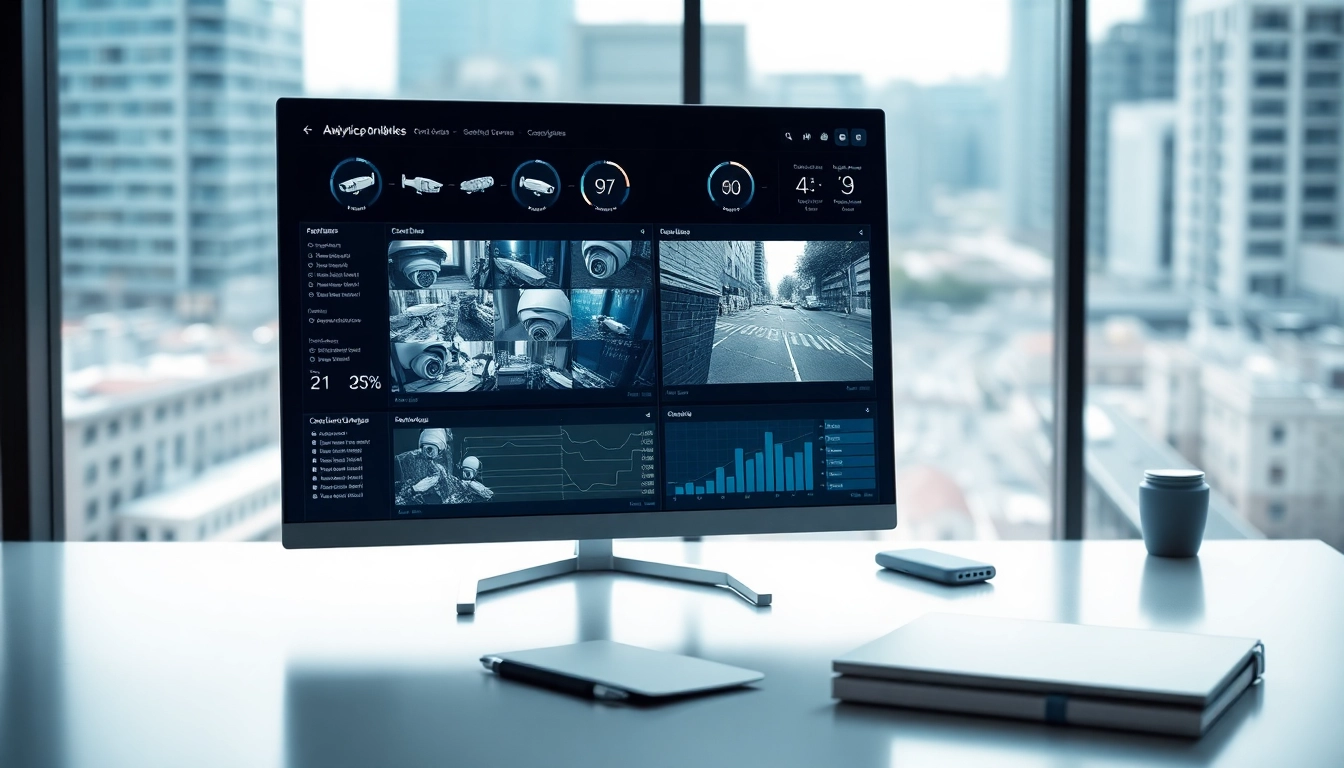
Understanding Security Camera Analytics
What is Security Camera Analytics?
Security camera analytics refers to the use of sophisticated technologies that enhance traditional video surveillance systems. By employing algorithms and machine learning, these systems can automatically analyze video feeds to detect and process activities in real-time. Instead of merely recording footage, security camera analytics allow organizations to extract valuable insights and actionable data, enabling them to respond promptly to incidents and optimize security measures. For more details, you can explore how security camera analytics transform surveillance efforts.
Key Features of Security Camera Analytics
Security camera analytics systems boast several essential features:
- Real-Time Analysis: The capability to process footage instantly allows for immediate alerts and responses to security threats.
- Object Detection and Classification: Advanced deep learning models enable these systems to identify and categorize people, vehicles, and other objects within the captured footage.
- Behavior Analysis: Analytics can recognize unusual behavior, such as loitering or unauthorized access to restricted areas, prompting alerts for security personnel.
- Data Integration: These analytics systems often integrate with other security protocols and systems, enhancing a holistic view of surveillance efforts.
- Reporting and Visualization: Detailed analytics provide insights through visualization tools, helping stakeholders make informed decisions.
How Security Camera Analytics Works
The functionality of security camera analytics can be broken down into several pivotal components:
- Data Collection: Cameras equipped with analytics capabilities capture video data continuously or on-demand.
- Processing: The captured data is sent to an analytics engine, where algorithms analyze the footage for predefined criteria.
- Alert Generation: When potential threats or anomalies are identified, the system triggers alerts, allowing for real-time or post-event review.
- Feedback Loop: Many analytics systems can refine their algorithms based on reviewed outcomes, enhancing their accuracy with ongoing use.
Benefits of Implementing Security Camera Analytics
Improved Security Measures
One of the most significant advantages of security camera analytics is the enhancement of security measures. By analyzing video feeds, organizations can move from reactive strategies to proactive security management. For instance, detecting an intruder in real-time allows security personnel to respond immediately, potentially preventing theft or vandalism.
Operational Efficiency and Insights
Beyond security, analytics can drive operational efficiencies. Retail businesses can analyze customer behavior in stores, optimizing layouts and inventory placement based on foot traffic patterns. Similarly, organizations can utilize insights about personnel movements to streamline workflows and enhance productivity.
Real-time Data Access and Alerts
Security camera analytics provide stakeholders with immediate access to data and alerts regarding anomalies. These capabilities not only improve response times to incidents but also empower organizations to make data-driven decisions that can enhance overall safety and security operations.
Challenges in Security Camera Analytics
Data Privacy and Compliance Issues
While the benefits are substantial, deploying security camera analytics also raises concerns about data privacy. Organizations must navigate complex regulations concerning video surveillance and data protection, ensuring compliance with laws while maintaining effective security practices. This often involves garnering consent from individuals being filmed and implementing robust data encryption and storage policies.
Integration with Existing Systems
Integrating security camera analytics with existing infrastructure can be challenging. Organizations must evaluate their current systems and determine compatibility with new analytics technologies. A well-planned integration strategy is vital to minimize disruption and maximize the potential benefits of analytics.
Technical Expertise Requirements
Implementing and maintaining security camera analytics often requires specialized knowledge. Many organizations may need to invest in training personnel or hiring experts who understand the nuances of these technologies. This investment is crucial for maximizing the effectiveness of the analytics systems and ensuring smooth operation.
Best Practices for Using Security Camera Analytics
Choosing the Right Technology
Selecting the appropriate analytics technology is critical to achieving the desired results. Organizations should assess their specific needs, including the environment where cameras will be deployed, the types of behavior to monitor, and the scalability of the solution. Reliable technology vendors can provide guidance tailored to these needs.
Training Personnel on Analytics Tools
To harness the full capability of security camera analytics, personnel must be adequately trained. Understanding how to interpret data, generate reports, and respond to alerts can significantly improve the overall effectiveness of security operations. Regular training sessions ensure that staff remains updated with the latest features and functionalities.
Regularly Updating Systems and Protocols
Just like any technology, security system analytics require regular updates to maintain functionality and security. Organizations should establish a schedule for reviewing and upgrading analytics systems, algorithms, and compliance measures to ensure long-term effectiveness and adherence to industry standards.
Future Trends in Security Camera Analytics
AI and Machine Learning Integration
The future of security camera analytics will be driven by advancements in artificial intelligence and machine learning. As these technologies evolve, analytics systems will become even more intuitive, enabling them to predict and prevent incidents before they occur. Enhanced algorithms will learn from past behavior patterns, improving accuracy over time.
Enhanced User Interfaces
Future systems will likely incorporate user-friendly interfaces that allow users to manipulate and visualize data effortlessly. Improved interfaces will facilitate easier access and interpretation of analytics, thus making it easier for personnel to act swiftly and decisively based on insights drawn from the data.
Predictive Analytics Capabilities
Predictive analytics will allow security personnel to anticipate incidents based on historical data trends. By analyzing past behaviors, potential security threats can be identified before they materialize, allowing for preemptive action that could minimize risk and enhance safety.
Frequently Asked Questions (FAQs)
What is security camera analytics?
Security camera analytics involves the use of advanced technologies to analyze video data in real-time, helping organizations detect, categorize, and respond to security incidents effectively.
How does security camera analytics improve security?
These analytics enhance security by providing real-time alerts to unusual activities, allowing users to respond immediately to potential threats and prevent incidents before they escalate.
What are common challenges in implementing security camera analytics?
Challenges include data privacy concerns, integration with existing systems, and the need for technical expertise to operate and maintain the analytics tools effectively.
How can organizations ensure data privacy with security camera analytics?
Organizations should establish clear data protection policies, obtain consent from individuals being recorded, and ensure compliance with relevant privacy regulations to protect personal data.
What future trends should we expect in security camera analytics?
Future trends include increased integration of AI and machine learning, improved user interfaces, and the incorporation of predictive analytics, enhancing their effectiveness in preventing incidents.