Understanding House Washing
What is House Washing?
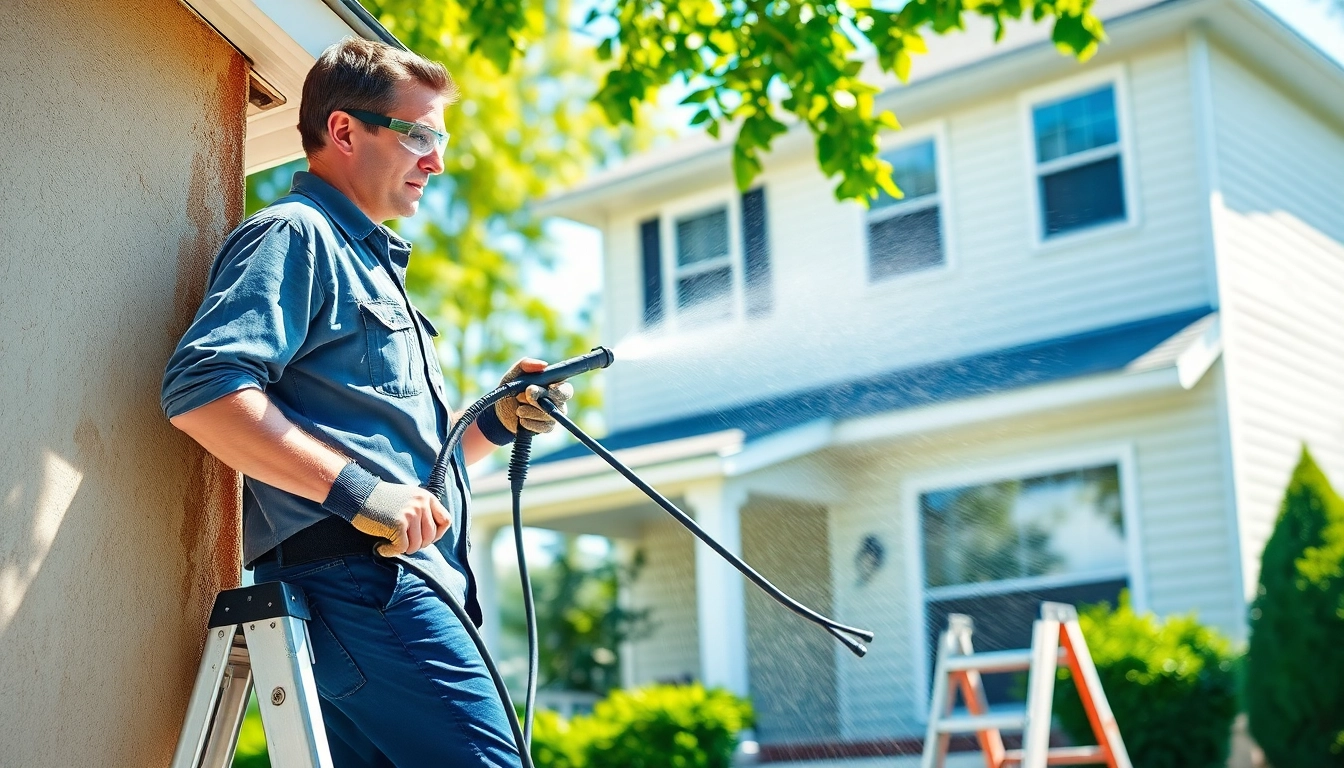
House washing refers to the process of cleaning the exterior surfaces of a home to eliminate dirt, grime, mold, mildew, and other unwanted materials. This cleaning process typically enhances the aesthetic appeal of the home and can be essential in preserving exterior surfaces. Many homeowners use specialized equipment that delivers a combination of pressurized water and cleaning solutions to achieve a thorough clean. For professional services tailored to your home’s specific needs, House Washing can make a significant difference in retaining your home's value and appearance.
Benefits of House Washing
House washing offers numerous benefits that go beyond aesthetic improvements. Firstly, it increases curb appeal, which can be especially beneficial if you're planning to sell your home. A clean exterior presents a better image and can attract more buyers. Secondly, regular house washing helps to protect your investment by removing harmful substances like mold and mildew that can compromise the integrity of your siding, paint, and roofing materials.
Additionally, house washing is an eco-friendly solution when done properly. Professionals often use biodegradable detergents that are safe for the environment while delivering effective cleaning results. It also prolongs the lifespan of materials by preventing decay and structural issues caused by neglect.
How House Washing Differs from Pressure Washing
While house washing and pressure washing are often used interchangeably, there are key differences. House washing generally employs lower pressure or specialized methods (such as soft washing) that are less abrasive on surfaces, making it ideal for delicate materials like wood siding, windows, and roofs. In contrast, pressure washing utilizes high-pressure water jets to remove stubborn grime, making it better suited for harder surfaces such as concrete and brick.
The technique used will depend on the surface to be cleaned and the type of stains present. Understanding these differences is crucial for achieving the best results without damaging your property.
Techniques for Effective House Washing
Soft Washing vs. Pressure Washing
Soft washing and pressure washing are two common techniques used in house washing. Soft washing involves using a low-pressure stream of water combined with cleaning solutions that break down dirt, algae, and mold. It is gentler on surfaces and effectively cleans without the risk of damage. This makes it suitable for roofs, painted surfaces, and other delicate materials.
On the other hand, pressure washing uses high-pressure water jets that can easily remove tough stains and dirt but can also lead to damage if not used correctly. It's important to choose the right technique based on the surface type and the level of cleaning required.
Choosing the Right Equipment
Selecting the appropriate equipment for house washing is crucial for achieving the desired results. For soft washing, professionals typically use specialized pumps that can generate low pressure while maintaining a consistent flow of detergent. These systems ensure effective cleaning without the risks often associated with high-pressure equipment.
For those opting for pressure washing, choosing a machine with adjustable pressure settings is essential. This allows the operator to tailor the pressure to different surfaces, helping to avoid any potential damage. It's also necessary to use the right nozzles, as they affect the spread of the water and the intensity of the cleaning effort.
DIY House Washing Tips
For homeowners who prefer a DIY approach to house washing, here are some key tips:
- Start with the Basics: Before washing, clear the area around the house and cover delicate plants and fixtures.
- Use Appropriate Detergents: Choose a biodegradable detergent specifically designed for house washing. Avoid harsh chemicals that can damage landscapes.
- Test Before Full Application: Always test a small, inconspicuous area of the surface to ensure that the chosen method won’t cause damage.
- Work from the Top Down: Start washing from the roof or upper parts of the house working your way down to allow the dirty water to flow downwards.
- Safety First: Always wear safety gear such as goggles and gloves, and ensure that ladders are stable when reaching high places.
House Washing Costs and Considerations
Averaging Costs of House Washing
The cost of house washing can vary significantly based on factors such as the size of the home, the type of surfaces, and the level of dirt buildup. National averages for professional house washing services typically range from $241 to $418. Smaller homes may incur lower costs, while larger homes could see increased fees due to additional time and resources required for cleaning.
For homeowners considering a DIY approach, calculating the cost involves purchases or rentals of cleaning equipment and materials. However, remember to factor in the value of your time and the potential cost of mistakes, which can sometimes lead to damage.
Factors Influencing House Washing Prices
Several factors influence the cost of house washing services, including:
- Home Size: Larger homes with more square footage require more time and materials for effective cleaning.
- Surface Type: Different materials such as brick, vinyl, stucco, and wood may require different methods or cleaning solutions, affecting costs.
- Location: Prices can vary geographically due to local market rates and competition among service providers.
- Conditions: Surfaces that have not been cleaned in a while may need extra effort and time, leading to higher costs.
- Special Requests: Additional services such as window cleaning, deck washing, or gutter cleaning can also increase overall prices.
When to Consider Professional Services
While some homeowners may enjoy DIY projects, there are times when hiring a professional service is the better choice. Consider hiring experts for house washing if:
- Your Home is Large: If your home is significantly large or multi-story, the risks associated with cleaning may outweigh the cost savings of doing it yourself.
- Safety Concerns: If you are uncomfortable using ladders or high-pressure equipment, professionals bring safety training and experience.
- Special Surface Needs: If your home features unique materials or finishes that require special treatment, professionals have the expertise to handle them properly.
- Time Constraints: If you have a busy schedule, investing in a cleaning service can save you valuable time.
Best Practices for House Washing
Safety Precautions
Safety should always be a priority when washing your house. Here are some important precautions to observe:
- Wear appropriate safety gear, including gloves, goggles, and non-slip footwear.
- Ensure ladders are stable and always have someone holding the base for added security when using them.
- Beware of electrical outlets, outdoor lights, and other fixtures that may come into contact with water.
- Check the weather forecast to avoid cleaning when rain, frost, or strong winds can pose hazards.
Eco-Friendly House Washing Solutions
Choosing eco-friendly solutions for house washing benefits not only your property but also the environment. Consider the following practices:
- Opt for biodegradable and non-toxic cleaning products that break down naturally without harming surrounding plants or wildlife.
- Use pressure washing methods that require less water to minimize waste.
- Capture rinse water to reduce runoff, especially in areas with sensitive ecosystems.
Scheduling House Washing Effectively
Timing can be critical when it comes to house washing. Here are some factors to consider:
- Consider seasonal changes; late spring or early fall can be ideal, as the weather is generally mild and conducive to drying.
- Avoid washing right before or during pollen season to prevent rapid re-soiling of cleaned surfaces.
- Plan for a thorough cleaning before putting your home on the market, effectively boosted marketing appeal.
FAQs about House Washing
How often should I wash my house?
Most experts recommend washing your house every 1 to 2 years, but factors like location and weather conditions can influence this frequency.
Can house washing damage my exterior?
When done correctly with the appropriate techniques and equipment, house washing should not damage your exterior. Using high pressure incorrectly may cause harm.
What time of year is best for house washing?
Late spring and early fall are ideal for house washing. Avoid rainy or extremely cold days as it affects drying and results.
How long does house washing take?
The duration of house washing depends on the home's size but typically ranges from 1 to 3 hours for a standard residential property.
Do I need to include window washing with house washing?
While not mandatory, including window washing during your house washing service enhances overall appearance and is often efficient since surfaces are already cleaned.