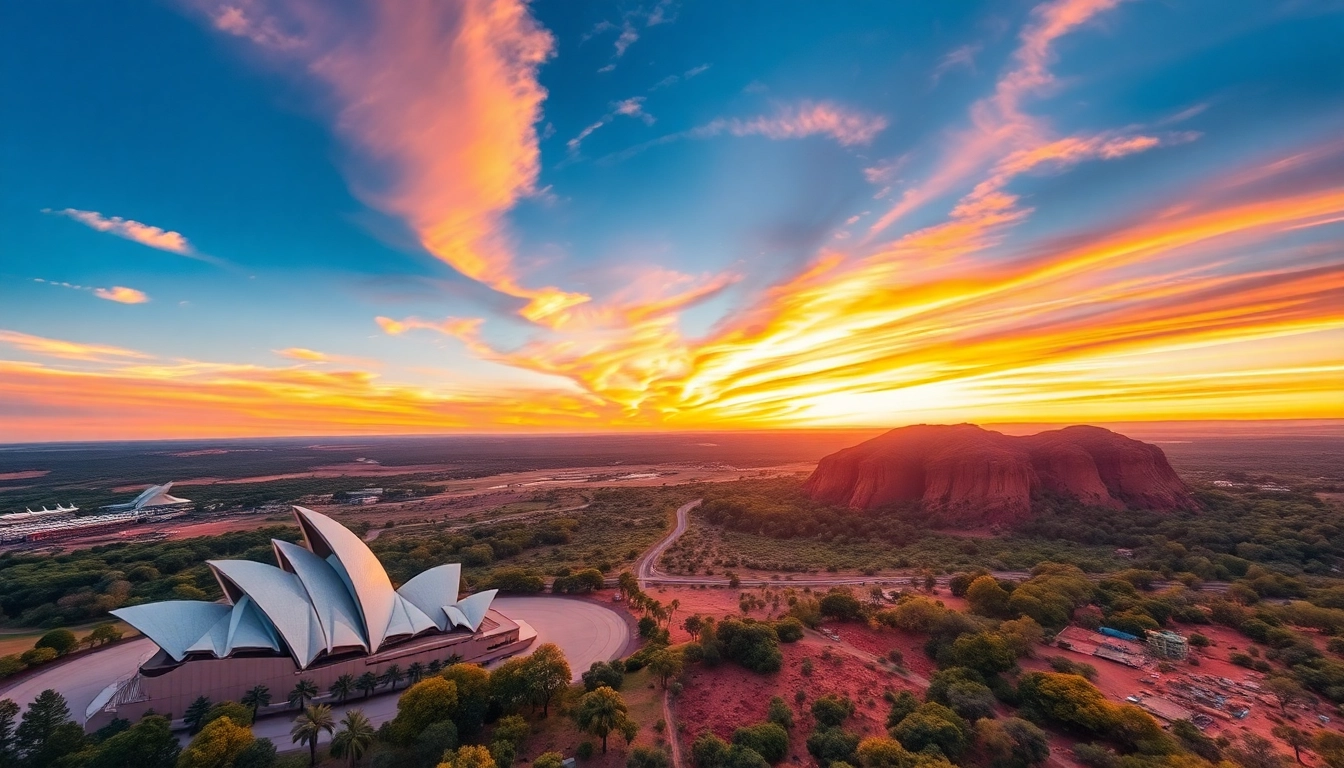
Introduction to Australia
Australia, renowned for its breathtaking landscapes, vibrant cities, and unique biodiversity, offers a compelling destination for travelers and residents alike. It's a nation that not only spans an entire continent but also features a rich tapestry of cultures and environments. From the iconic Sydney Opera House to the expansive Outback, Australia’s diverse offerings are a reflection of its unique history and multicultural society. In this comprehensive guide, we explore the different facets of Australia, delving into its geography, natural wonders, travel highlights, and what it's like to live in this remarkable country.
Geographical Overview of Australia
Australia is the world’s smallest continent and largest island, bordered by the Indian and Pacific Oceans. It boasts a wide range of geographical features, from coastal cities to arid deserts and lush rainforests. The Great Barrier Reef, a UNESCO World Heritage Site, forms one of the longest coral reefs globally, showcasing vibrant marine life. Australia's terrain is unique, characterized by its inland desert—known as the Outback—alongside fertile regions along the eastern seaboard and the southwestern corner, often referred to as the "green triangle."
Historical Context of Australia's Development
Australia's history is a rich narrative of Indigenous cultures, European colonization, and modern development. Indigenous Australians have inhabited the land for over 65,000 years, sustaining rich cultural practices and connections to the environment. The arrival of the First Fleet in 1788 marked the beginning of British colonial rule, leading to significant societal and environmental changes. Australia's path to becoming a Commonwealth nation in 1901 was paved with various cultural and political shifts, defining it as a modern democracy with regional interests and global connections.
Multicultural Society of Australia
Australia is celebrated for its multicultural society, with over 300 different ancestries represented among its population. This diversity fosters a rich cultural landscape that encompasses a variety of festivals, cuisines, and artistic expressions. Immigration has played a crucial role in shaping Australia's identity, with waves of settlers from Europe, Asia, and other regions contributing to its societal fabric. The blending of Indigenous and contemporary cultures presents a unique narrative, leading to vibrant communities that celebrate both heritage and modernity.
Natural Wonders of Australia
Unique Flora and Fauna in Australia
Australia is home to some of the world's most distinctive flora and fauna. With its isolated evolution, the continent hosts a plethora of endemic species, including the kangaroo, koala, and emu. Over 80% of Australia's plants and animals are native, leading to a biodiversity hotspot status. The Australian bush, characterized by unique Eucalyptus trees, supports countless species, significantly contributing to the country’s ecological wealth. Conservation efforts are critical as climate change poses threats to these unique living organisms and their habitats.
Famous National Parks in Australia
Australia’s national parks are sanctuary spaces for preservation and recreation, attracting millions of visitors each year. Noteworthy parks include Kakadu National Park, famous for its Aboriginal rock art and diverse ecosystems, and Uluru-Kata Tjuta National Park, home to the iconic red rock formations sacred to Indigenous peoples. These areas provide opportunities for hiking, bird-watching, and appreciating nature while fostering awareness about conservation. National parks serve as vital ecosystems that protect biodiversity while offering outdoor experiences.
Marine Life and Coastal Attractions in Australia
Australia's coastline is outlined with stunning beaches and coral reefs, drawing tourists and marine enthusiasts. The Great Barrier Reef, stretching over 2,300 kilometers, is one of the most famous underwater ecosystems globally, providing habitat for diverse marine life. Activities like snorkeling, scuba diving, and whale watching offer immersive experiences into marine biodiversity. Cities like Sydney and Melbourne offer vibrant coastal lifestyles, combining urban and beach culture, which play a significant role in the identity of Australian living.
Traveling Australia: Key Attractions
Top Cities to Visit in Australia
Australia's cities embody different cultural and historical narratives, each with its unique attractions. Sydney, known for its breathtaking harbor, iconic Opera House, and bustling markets, welcomes millions of tourists annually. Melbourne, regarded as the cultural capital, offers an eclectic mix of arts, cuisine, and sports. Brisbane features a tropical climate alongside vibrant nightlife and outdoor activities, while Perth presents stunning coastal scenery and laid-back vibes. Each city captures a distinct aspect of Australian life, making them must-visit destinations for travelers.
Adventure Activities Across Australia
Adventure seekers flock to Australia for its world-class activities ranging from surfing, scuba diving, hiking, and more. The rugged landscapes of Tasmania offer breathtaking trails like the Overland Track, while the Great Ocean Road allows for scenic drives with opportunities for hiking and wildlife watching. Queensland’s rainforests and the Blue Mountains near Sydney are also famous for climbing and trekking experiences. Australia is a playground for the adventurous, accommodating a wide range of outdoor endeavors.
Must-See Landmarks and Heritage Sites in Australia
Renowned landmarks dot the Australian landscape, blending natural beauty with historical significance. The Sydney Opera House stands as an architectural masterpiece against the skyline, while Ayers Rock (Uluru) is steeped in Indigenous history and spirituality. Other significant sites include the Twelve Apostles along the Great Ocean Road, the historic Port Arthur, and the Daintree Rainforest. These landmarks serve as vital attractions that narrate tales of Australia’s past while showcasing its striking landscapes.
Living in Australia
Cost of Living in Australia
The cost of living in Australia varies city by city. Major cities like Sydney and Melbourne are known for their high living costs, particularly regarding housing. However, residents enjoy a high standard of living backed by robust public services, amenities, and quality healthcare. Understanding the balance between income and expenses is crucial for newcomers or those considering relocation. Essential factors like transportation, utilities, and general lifestyle choices significantly influence an individual's financial landscape.
Employment Opportunities in Australia
Australia's economy is diverse and resilient, offering various employment opportunities across sectors such as healthcare, technology, education, and more. The unemployment rate is comparatively low, supported by a skilled workforce and high demand for professionals in multiple fields. Foreigners seeking jobs must understand visa requirements and the job market's nuances to navigate opportunities successfully. Many industries also promote local hiring, making networking and skill enhancement vital for job seekers.
Education System in Australia
Australia's education system is world-renowned, catering to students across various age groups, from early education to higher education. The country has a mix of public and private schools, with a strong emphasis on inclusivity and accessibility. International students flock to Australia due to its high-quality educational institutions and diverse learning experiences. Higher education, particularly in universities, offers a spectrum of programs, attracting students worldwide. Educational frameworks prioritize critical skills, innovative thinking, and global citizenship.
FAQs about Australia
What are Australia's major tourist attractions?
Australia offers various attractions, including the Great Barrier Reef, Sydney Opera House, Uluru, and vibrant cities like Melbourne and Brisbane, reflecting its diverse landscapes and cultures.
What is the cost of living like in Australia?
The cost of living varies across cities, with major urban centers being more expensive due to housing. However, Australia provides a high standard of living with quality services.
What languages are spoken in Australia?
English is the primary language spoken in Australia. However, due to its multicultural environment, many other languages, including Mandarin, Italian, and Arabic, are also commonly heard.
What is the climate like in Australia?
Australia's climate is diverse, ranging from tropical in the north to temperate in the south. Seasons vary considerably, influencing lifestyle and travel experiences.
How diverse is the culture in Australia?
Australia is culturally diverse, with influences from Indigenous traditions, British heritage, and immigrants worldwide, creating a vibrant society that celebrates various customs and festivities.