Understanding Astaxanthin Explained
Astaxanthin, a naturally occurring carotenoid pigment, has gained significant attention in recent years for its extensive array of health benefits and applications. This powerful antioxidant is primarily found in marine organisms such as salmon, krill, and certain types of algae. With a growing interest in natural health supplements, understanding astaxanthin explained becomes essential for those looking to enhance their wellness regimen. Its multifaceted advantages make it a captivating subject in the realm of nutrition and health science. For a comprehensive guide on astaxanthin, astaxanthin explained is an excellent resource.
What is Astaxanthin?
Astaxanthin is a red-orange pigment that belongs to the carotenoid family. It is known for its remarkable ability to neutralize free radicals, making it a potent antioxidant. Unlike many other antioxidants, astaxanthin is lipid-soluble, allowing it to cross cell membranes easily, thus providing cellular protection against oxidative stress. Found predominantly in microalgae and various seafood, astaxanthin not only contributes to the vibrant colors of these organisms but also plays crucial roles in their health and survival.
Chemical Structure and Properties
The chemical formula of astaxanthin is C40H52O4. Its structure comprises a long carbon chain with two additional oxygen atoms that contribute to its unique chemical stability and antioxidant properties. What sets astaxanthin apart from other carotenoids is its unique molecular arrangement of alternating double bonds, contributing to its superior antioxidant capacity. Its dual hydroxyl groups facilitate the trapping of free radicals, ensuring enhanced protection against cellular damage.
The Origin of Astaxanthin in Nature
Astaxanthin is synthesized primarily by microalgae (especially Haematococcus pluvialis), which are a primary source in the aquatic food chain. These organisms produce astaxanthin when exposed to stress conditions such as high light intensity, nutrient depletion, or environmental changes. As small fish and crustaceans consume these algae, they retain the pigment, which subsequently accumulates in larger marine animals, such as salmon and flamingos, imparting their characteristic colors. The natural production of astaxanthin in nature showcases its essential role in the ecosystem.
Health Benefits of Astaxanthin Explained
Astaxanthin as a Powerful Antioxidant
Astaxanthin is heralded as one of the most potent antioxidants on the planet. Research indicates that astaxanthin can quench free radicals more than 6000 times more effectively than vitamin C. Its unique molecular structure allows it to stay longer in the body, enhancing its effectiveness. By reducing oxidative stress, astaxanthin protects cells from damage, which is crucial in preventing chronic diseases.
Benefits for Skin and Eye Health
Various studies suggest that astaxanthin offers substantial benefits for skin health, including reducing fine lines, improving skin elasticity, and protecting against UV-induced damage. It enhances skin hydration and helps to maintain skin tone, propelling it as a popular ingredient in anti-aging skincare products.
On the eye health front, astaxanthin has been shown to protect against macular degeneration and other visual impairments. Its antioxidant properties help reduce oxidative stress in retinal cells, potentially improving vision health and combating fatigue from prolonged screen exposure.
Impact on Inflammation and Immunity
Inflammation is at the core of many chronic diseases, and astaxanthin possesses anti-inflammatory properties that can help to manage and alleviate various conditions. Studies indicate that astaxanthin reduces levels of pro-inflammatory markers and supports immune function. By enhancing immune response, it may also aid in recovery from illnesses and reducing the duration of infections.
Astaxanthin Sources and Dietary Inclusion
Natural Sources of Astaxanthin
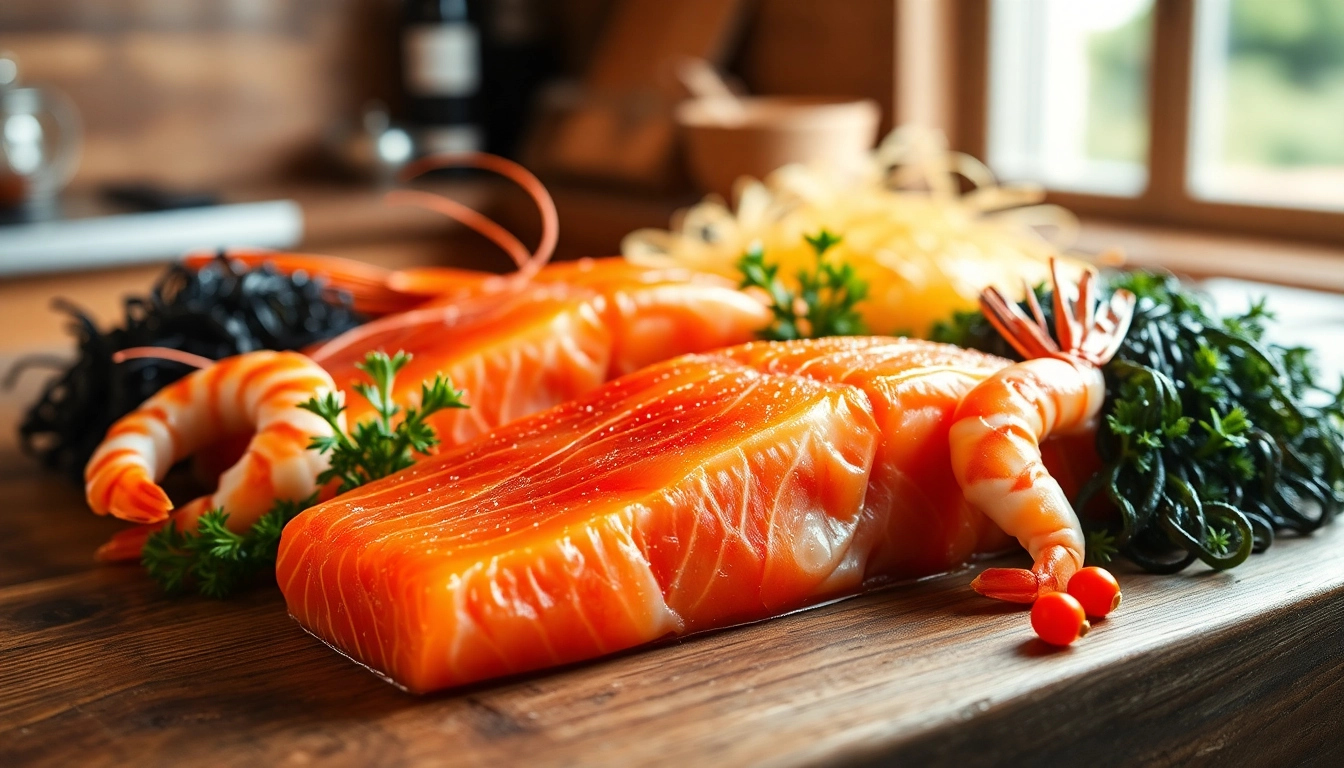
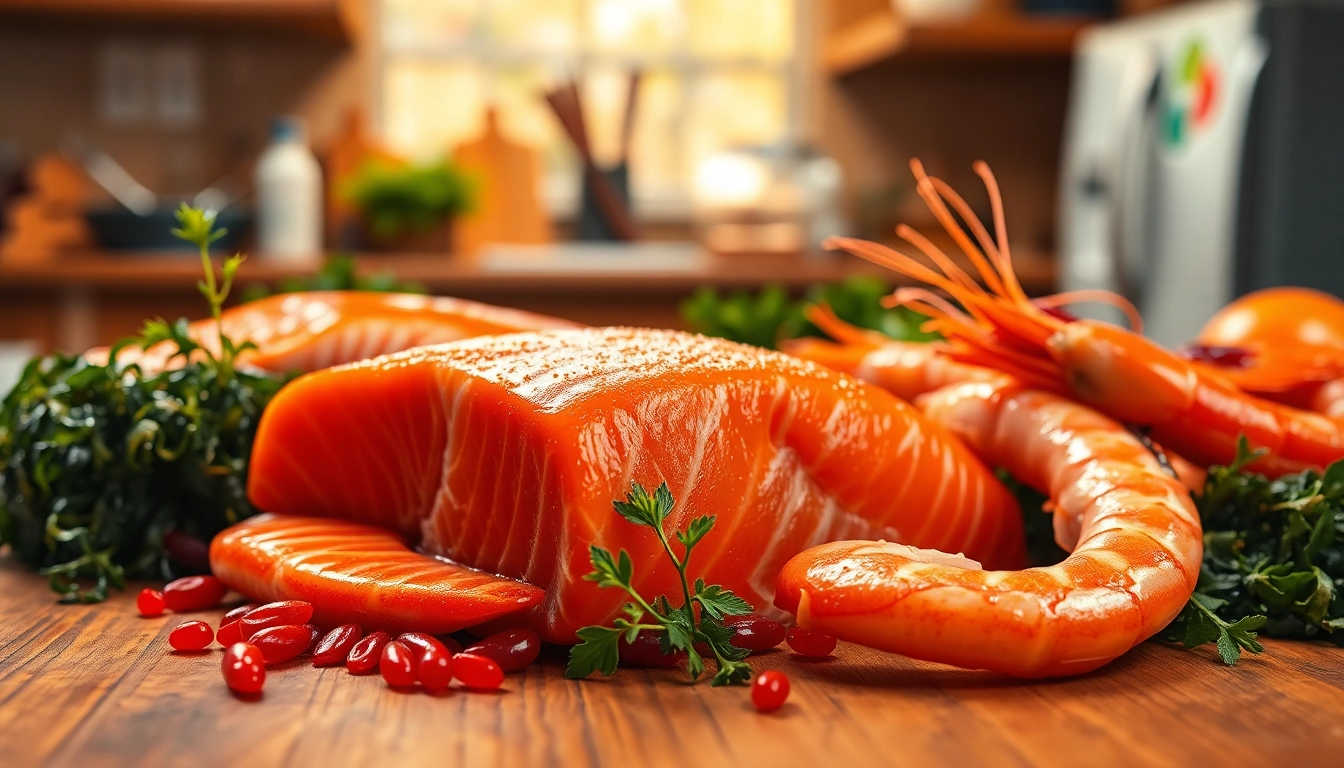
The primary natural sources of astaxanthin include microalgae, salmon, shrimp, crab, and certain species of freshwater fish. For those looking to increase astaxanthin in their diet, incorporating these foods can be a delicious strategy. Particularly, wild-caught salmon and krill oil supplements are popular as efficient sources of this potent carotenoid.
Supplement Forms of Astaxanthin
Astaxanthin is available in several forms as dietary supplements, including soft gel capsules, tablets, and powders. Supplements derived from microalgae are generally preferred for higher bioavailability. When choosing a supplement, looking for products that provide clear labeling of astaxanthin content is essential to ensure efficacy.
Recommended Intake and Dietary Tips
The typical dosage of astaxanthin ranges from 4 to 12 mg per day, depending on individual needs and health goals. It's advisable to take astaxanthin with a source of dietary fat, as its absorption is improved in fatty environments. Incorporating foods rich in healthy fats can enhance the effectiveness of this antioxidant. Consulting with a healthcare provider before beginning supplementation is always recommended.
Potential Risks and Considerations
Side Effects of Astaxanthin
Generally regarded as safe, astaxanthin does have some potential side effects, although they are rare. Some individuals may experience gastrointestinal disturbances, such as stomach upset or diarrhea. It is crucial for individuals with specific health conditions or those who are pregnant to consult a healthcare provider before use.
Interactions with Medications
Astaxanthin may interfere with certain medications, particularly those that affect blood clotting, such as anticoagulants. Therefore, individuals on such medications should exercise caution when considering astaxanthin supplementation. A healthcare provider's guidance can help navigate potential interactions to ensure safety.
Safeguards for Supplementation
Quality is vital when selecting astaxanthin supplements. Choosing products that are third-party tested for purity and potency can reduce the risk of contamination and ensure that you are purchasing a reliable product. Ensuring proper storage and adhering to recommended dosages will also contribute to maximizing the benefits of astaxanthin.
Future Research and Developments in Astaxanthin
Recent Studies on Astaxanthin
Recent studies have expanded our understanding of astaxanthin's effects on human health, particularly in the realms of metabolic syndrome and exercise performance. Researchers are continually exploring the myriad applications of astaxanthin, including its potential role in cognitive function and neuroprotection.
Potential New Applications of Astaxanthin
As scientific investigations into astaxanthin continue, potential new applications in enhancing physical performance, combating fatigue, and protecting against neurodegenerative diseases are being explored. Preliminary findings suggest promising avenues for further development in supplements targeting specific health concerns.
The Role of Astaxanthin in Longevity and Health
Astaxanthin's ability to reduce oxidative stress and inflammation can significantly impact longevity and overall health. Emerging research aims to understand how it may support aging populations by enhancing physical function and preserving cognitive abilities. These benefits present astaxanthin as a valuable focus for dietary supplement development.
Frequently Asked Questions
What is astaxanthin?
Astaxanthin is a natural carotenoid pigment found in marine organisms. It is a powerful antioxidant known for its health benefits, including skin protection and immune support.
What are the main benefits of astaxanthin?
Astaxanthin is known to boost skin health, enhance eye health, reduce inflammation, and strengthen immune function. It is regarded for its potential anti-aging properties.
How can I include astaxanthin in my diet?
You can include astaxanthin in your diet by consuming foods such as salmon, shrimp, and marine algae. Supplements are also available to help boost your intake.
Are there any risks associated with astaxanthin?
Astaxanthin is generally safe, but some may experience mild side effects like gastrointestinal discomfort. Consult a healthcare provider if you have concerns.
What is the recommended dose of astaxanthin?
The recommended daily dosage is usually between 4 to 12 mg. It's best to take it with a fatty meal for better absorption. Always consult a doctor before starting.