The Evolution of Cacao Farming Techniques
The world of cacao farming is undergoing a transformative shift, driven by the need for increased productivity and sustainability. Farmers are now leveraging innovative methods to meet growing consumer demand for high-quality cacao, and this evolution is central to the industry's future. Among the advancements, precision agriculture stands out as a key player. As we explore these developments, it is essential to recognize how modern techniques influence not only yield but also the environmental footprint of cacao production. For comprehensive insights, m98 provides valuable resources on this topic.
Adoption of Precision Agriculture in Cacao Cultivation
Precision agriculture involves the use of technology to monitor and manage crop production more efficiently. In cacao farming, this means using data analytics, GPS technology, and drones to collect information on soil health, plant health, and environmental conditions. By employing these technologies, farmers can make informed decisions about irrigation, fertilization, and pest control. This targeted approach not only enhances the quality of cacao beans but also optimizes resource use, reducing waste and environmental impact.
Integrating Sustainable Practices in Cacao Farming
As the demand for sustainably produced cacao grows, farmers are increasingly incorporating eco-friendly practices into their operations. This includes agroforestry systems, which integrate cacao trees with other crops and tree species. Such practices not only enhance biodiversity but also improve soil health and water retention. By promoting sustainable cacao farming, producers can better meet the expectations of environmentally-conscious consumers while ensuring long-term viability for their farms.
Technological Innovations Enhancing Harvest Efficiency
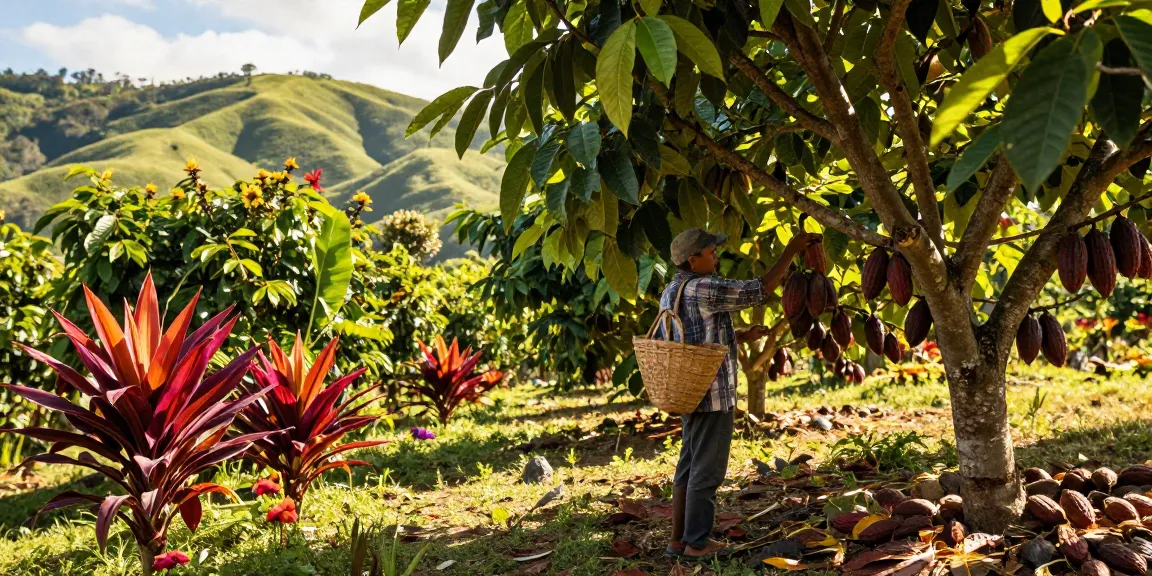
The introduction of technology in cacao harvesting methods is revolutionizing the industry. Robotics and mechanization are being tested in cacao plantations to streamline the harvest process, which is often labor-intensive and time-consuming. Innovations such as automated harvesters equipped with sensors can identify ripe cacao pods and pick them with minimal human intervention, ensuring that the beans are harvested at the perfect moment for optimal flavor.
The Demand for Quality in Cacao Production
As the market for chocolate products evolves, so too does the demand for high-quality cacao. Consumers are becoming increasingly discerning, seeking out cacao that not only tastes exceptional but is also ethically sourced. This trend has profound implications for producers who must adapt their practices to meet these expectations while still maintaining profitability. Understanding consumer preferences is vital for any cacao farmer aiming to thrive in today's competitive landscape.
Understanding Consumer Preferences for Premium Cacao
Consumer preferences continue to shift towards premium, ethically produced cacao. Factors such as flavor, sustainability, and traceability are now paramount in purchasing decisions. Many consumers are willing to pay a premium for cacao that is certified organic or fair trade, reflecting a growing interest in conscious consumption. Producers must therefore focus on developing and marketing their products to meet these evolving preferences.
The Impact of Flavor Profiles on Market Trends
Flavor is a critical aspect of cacao quality that influences market demand. Different cacao varieties exhibit unique flavor profiles, ranging from fruity to nutty. In recent years, there has been a resurgence of interest in single-origin cacao, which highlights the distinct characteristics of specific growing regions. By understanding and promoting these unique flavor profiles, farmers can enhance their products' marketability and appeal to niche audiences.
Strategies for Enhancing Cacao Flavor Quality
To produce high-quality cacao with desirable flavor characteristics, farmers should focus on several key strategies. Optimal fermentation practices, for instance, play a crucial role in developing the bean's flavor. By controlling the fermentation process—ensuring the right temperature and duration—producers can significantly enhance the flavor profile of their cacao. Additionally, post-harvest processing techniques, such as drying and storage, must be carefully managed to preserve these flavors until the final product is produced.
Addressing Environmental Challenges in Cacao Farming
Environmental challenges pose a significant threat to cacao production, with climate change being one of the most pressing issues. Rising temperatures, shifting rainfall patterns, and increased pest populations all threaten cacao yields. As these challenges escalate, cacao farmers must adopt strategies to mitigate their impact and ensure the sustainability of their crops.
Climate Change and Its Impact on Cacao Yields
Climate change is projected to affect cacao yields considerably, making some regions less suitable for cacao cultivation. For example, increased humidity can lead to the spread of diseases, while higher temperatures may stress cacao trees and reduce their productivity. Adaptation strategies, such as shifting to more resilient cacao varieties and adjusting planting schedules based on climate data, are essential for maintaining yields in a changing climate.
Developing Resilient Cacao Varieties
Research is underway to develop cacao varieties that are more resilient to climate change and diseases. Breeding programs focused on enhancing genetic diversity can lead to the creation of cacao plants that withstand harsh environmental conditions, ensuring stable production in the face of challenges. Collaborations between researchers, farmers, and agricultural organizations are crucial in this endeavor to promote the adoption of these resilient varieties in the field.
Best Practices for Soil and Water Conservation
Soil and water conservation practices are vital for sustaining cacao farming in the face of environmental challenges. Techniques such as cover cropping, crop rotation, and agroforestry can improve soil health and increase water retention. Moreover, implementing efficient irrigation systems, like drip irrigation, can help optimize water use during dry periods, ensuring that cacao trees receive adequate moisture without overexploiting local water resources.
The Role of Certification in Cacao Supply Chains
Certification plays a pivotal role in the cacao supply chain, influencing consumer perception and market access. As the demand for ethical sourcing grows, certifications such as Fair Trade and organic have gained traction among consumers looking for assurance about the products they purchase. Understanding the nuances of these certifications can help cacao producers enhance their market positioning and attract a broader customer base.
Exploring Fair Trade and Organic Certifications
Fair Trade certification aims to ensure that farmers receive fair prices and working conditions, while organic certification focuses on environmentally friendly agricultural practices. Both certifications appeal to a growing segment of consumers who prioritize ethical and sustainable sourcing. By obtaining these certifications, cacao farmers can differentiate their products in the marketplace and potentially command higher prices.
Consumer Awareness and Its Effect on Certification Demand
Increased consumer awareness regarding the effects of cacao production has led to a rising demand for certified products. Consumers are more likely to engage with companies that demonstrate transparency and commitment to ethical practices. As awareness grows, producers are encouraged to invest in certifications that align with consumer values, which can significantly enhance their marketability.
Building Traceability in Cacao Supply Chains
Traceability has become a crucial aspect of the cacao supply chain, allowing consumers to understand the journey of their cacao from farm to table. Enhanced traceability can be achieved through digital technologies and blockchain systems, allowing for transparent tracking of cacao origin and production practices. By building robust traceability systems, cacao producers can foster trust and loyalty among consumers.
Future Trends in Cacao Farming and Marketing
Looking ahead, several trends are poised to shape the future of cacao farming and marketing in the coming years. Technological advancements and changing consumer preferences will drive innovation within the industry, presenting both challenges and opportunities for producers.
Emerging Technologies in Cacao Genetics Research
Advances in genetic research are paving the way for the development of superior cacao varieties that can withstand environmental stressors and produce higher yields. Techniques such as CRISPR and genome sequencing can offer insights into the genetic makeup of cacao plants, allowing for targeted breeding efforts. As this research progresses, cacao farmers may find new avenues for improving productivity and sustainability.
Social Media Marketing Strategies for Cacao Producers
Marketing strategies are evolving, with social media playing a pivotal role in connecting cacao producers with consumers. By leveraging platforms like Instagram and Facebook, producers can showcase their farms, share their stories, and engage directly with their audience. Building a strong online presence is essential for capturing the attention of consumers who are increasingly looking for authentic brands that resonate with their values.
Collaborations with Chocolate Manufacturers for Market Expansion
Collaborating with chocolate manufacturers can offer cacao producers access to broader markets and innovative product development opportunities. Such partnerships can lead to the creation of unique chocolate products that highlight the distinct flavors of specific cacao varieties. Both parties can benefit from shared marketing efforts and access to new consumer segments, driving growth in the cacao industry.
What Are the Benefits of Sustainable Cacao Farming?
Sustainable cacao farming practices not only contribute to environmental conservation but also improve the long-term viability of cacao production. By adopting sustainable methods, farmers can enhance soil health, reduce dependency on chemical inputs, and develop resilience against climate change. As consumers increasingly demand sustainably sourced products, these practices can lead to better market access and potentially higher profits for farmers.
How Can Technology Improve Cacao Harvesting?
Technology has the potential to significantly enhance the efficiency and effectiveness of cacao harvesting. Innovations such as automated harvesting tools, precision tools for monitoring crop health, and mobile applications for real-time data analysis can optimize the harvesting process. By reducing labor costs and increasing harvest quality, technology can help farmers maximize their yields and bolster their profits.
What Are the Main Challenges Faced by Cacao Farmers?
Cacao farmers encounter several challenges, including fluctuating market prices, environmental changes, and access to resources. The complexity of these issues often requires multifaceted solutions, combining sustainable farming practices with effective marketing strategies. Moreover, training and education are essential for farmers to adapt to new technologies and methods effectively.
How Does Climate Change Affect Cacao Production?
Climate change poses significant risks to cacao production, impacting yield stability and quality. Increased temperatures and altered precipitation patterns can lead to higher incidences of pests and diseases, affecting both yield and flavor profiles. Producers must remain vigilant and proactive in adapting their practices to mitigate these challenges, which may include investing in climate-resilient cacao varieties and sustainable farming techniques.
What Trends Are Shaping the Cacao Industry in 2026?
By 2026, the cacao industry is expected to see continued growth in demand for ethically sourced and sustainably produced cacao. Trends towards transparency, traceability, and premium quality will drive innovation and shape market dynamics. Moreover, technological advancements in farming practices and consumer engagement will continue to influence how cacao is produced, marketed, and consumed. Producers who stay abreast of these trends will be better positioned for success in the evolving landscape of cacao farming.